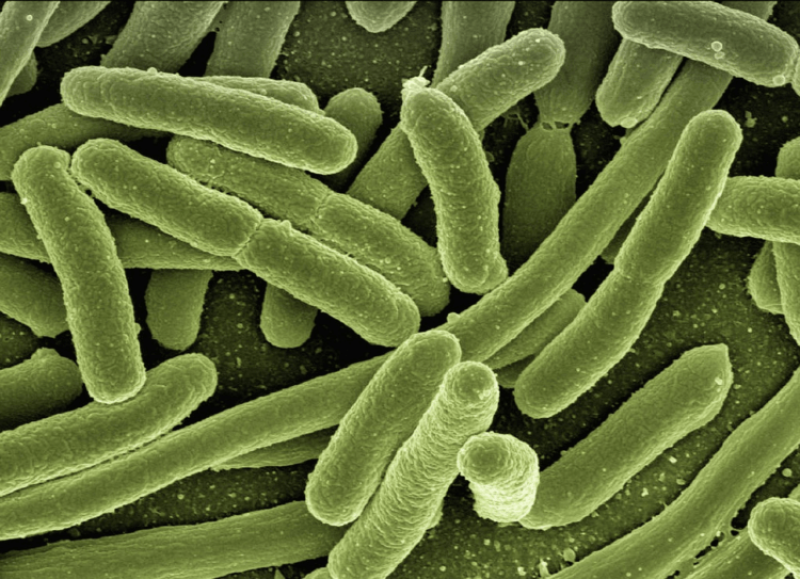
Our intestines are teeming with bacteria. Could bloodstreams have a microbiome too?

Our intestines are teeming with bacteria. Could bloodstreams have a microbiome too?
Credit: Pixabay/ geralt

Blood was long considered to be sterile, meaning free of viable microorganisms like bacteria. When disease-causing bacteria spread to the blood, they can cause a life-threatening septic shock.

But the use of DNA sequencing technology has allowed researchers to more easily detect something that had been reported as early as the late 1960s: bacteria can be found in the blood and not cause disease.

Mis- and disinformation are distorting science and public policy. Subscribe to our Daily and Weekly Digests for incisive coverage of ‘disruptive’ innovations in AI, agricultural biotechnology, food, chemicals, nuclear energy, vaccines, and other disruptive innovations.

In order for scientists to agree that a blood microbiome exists, they first need to decide on the definition of a microbiome, and this is still a point of contention.

…

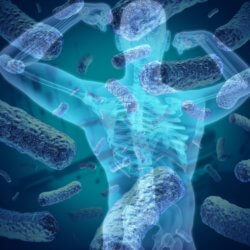
Last year, results from what purports to be the largest study ever into the question of whether the blood microbiome exists were published in Nature Microbiology. A total of 9,770 healthy individuals were tested. The conclusion? Yes, some bacteria could be found in their blood, but the evidence contradicted the claim of an ecosystem. In 84% of the samples tested, no bacteria were detected. In most of the other samples, only one species was found. In an ecosystem, you would expect to see species appearing together repeatedly, but this was not the case here.
…

So, what were the few bacteria found in the blood and not recognized as contaminants doing there in the first place if they were not part of a healthy microbiome? The authors lean toward an alternative explanation that had been floated for many years: these bacteria are transient. They end up in the blood from other parts of the body.


This is an excerpt. Read the full article here

Related Articles

Infographic: Global regulatory and health research agencies on whether glyphosate causes cancer

Infographic: Global regulatory and health research agencies on whether glyphosate causes cancer

Does glyphosate—the world's most heavily-used herbicide—pose serious harm to humans? Is it carcinogenic? Those issues are of both legal and ...

Most Popular

Screenshot 2026-10-16 at 5.38
PFAS in Agriculture: Science, Uncertainty, and Risk Communication
Discarded Green Cap on Public Trash Can
'Blatant slap in the face': MAHA activists turn on RFK Jr. and Trump administration
newborn baby spit up gerd
Vaccine-preventable congenital infections are a leading driver of autism
Government Briefing on Autism Trends
Viewpoint: ‘Statistical murder’: Kennedy’s expanding record of “duplicity and mendacity”
Screenshot 2026-10-16 at 11.17
Viewpoint: Latest attack on renewable energy and farmers, new USDA rules could put solar grants out of reach for small producers
FDA Vials and Syringes Flat Lay
Online gold rush of unapproved peptides is outrunning federal regulators
ChatGPT-Image-Mar-10-2026-01_39_01-PM
Viewpoint—“Miracle molecule” debunked: Why acemannan supplements don’t work
Screenshot-2026-10-15-at-9.51.15-AM
 Viewpoint: Selective pronatalism: The radical “ethical” case challenging parents’ right to end a pregnancy when a fetus has a severe genetic disorder
Screenshot-2026-10-14-at-11.45.36-AM
Viewpoint: RFK Jr.’s stacked FDA advisory council endorses multicancer screening test from ethically- questionable company that would increase false positives and waste billions of dollars
Screenshot-2026-10-12-at-10.44.38-AM
Widely condemned as unethical, hepatitis B vaccine study funded by RFK Jr’s CDC gets a final greenlight
Screenshot-2026-10-15-at-12.13.33-PM
Ahead of the midterms, Meta has paid at least 29 anti-LGBTQ accounts for their posts
Prescription Capsules Scattered on Twenty-Dollar Bills
Facts & Fallacies podcast: America's health care system is broken. A doctor explains how to fix it, Part 2
glp menu logo outlined

Get news on human & agricultural genetics and biotechnology delivered to your inbox.