
What is there to fear in Assisted Evolution Techniques (TEA)? [Recently,] the first TEA [gene editing] experimentation field ever inaugurated in Italy was destroyed . Vandalized during a night at the end of June just over a month after its inauguration: Vittoria Brambilla, professor at the State University of Milan and responsible for the experimentation started in Lomellina, explains to Wired how the researchers reacted to the restart of the experimentation. “We have now restored the field with the plants that were saved. And we have improved camera surveillance in the area. We have also suggested that for the next experiments the Ministry of the Environment and Energy Security (Mase) and Ispra not make the sites public: let’s see if politics can support us on this request.”
Are TEAs really necessary?
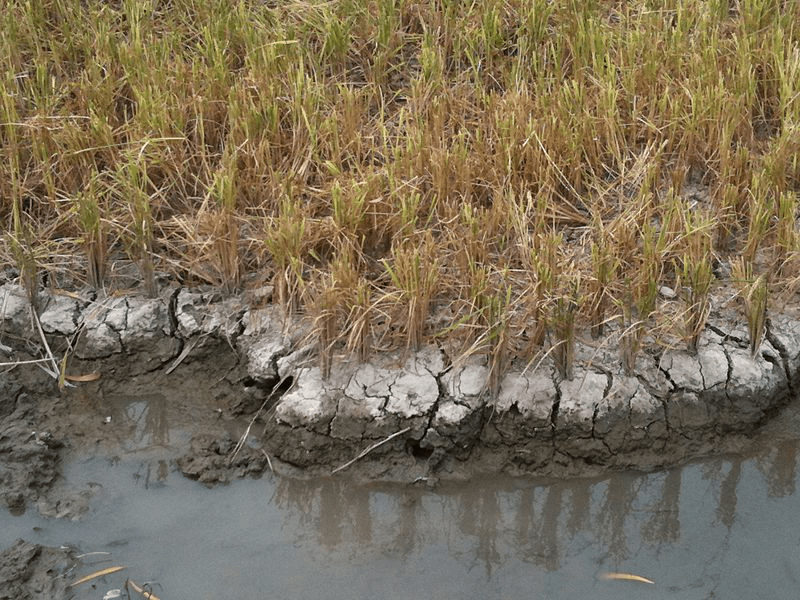
Absolutely yes, according to [Deborah Piovan, president of the FNP Proteoleaginose of Confagricoltura] “The challenges to be faced are serious and constitute a danger for the food production system. First of all, climate change. […] The most promising aspects are those linked to resistance to diseases and stressful environmental situations, such as water shortage and salinity. With an effective improvement of all aspects of sustainability: from environmental to economic ones.”
What is the difference between TEA and GMOs?
Vittoria Brambilla explains: […] Teas predict much smaller changes, affecting just a few bases compared to the thousands present in a gene, and do not introduce genes from other species .”
…
Do these techniques make plants “unnatural”?
Brambilla explains: “The plants we eat today are all the result of crossings or spontaneous mutations. In this case we insert targeted mutations: these plants are identical to those found in nature.”
…



Health risks?
Brambilla is categorical: “No risk to human health , nothing strange inserted inside: we have reproduced things that happen in nature in these varieties”
…
Will TEAs Only Benefit Rich Growers?
Brambilla states that Teas are different but also that it is necessary to learn from the experience of the GMO market: “Teas are potentially a very democratic technology : if it were legalized and simplified at a bureaucratic level […] therefore we prevent them from being extremely regulated, so we leave the market open to even the smallest operators.”
[Editor’s Note: This article has been translated from Italian and edited for clarity.]