Why did early humans turn to cannibalism? It might have had little to do with hunger

Credit: Publiphoto/Science Source

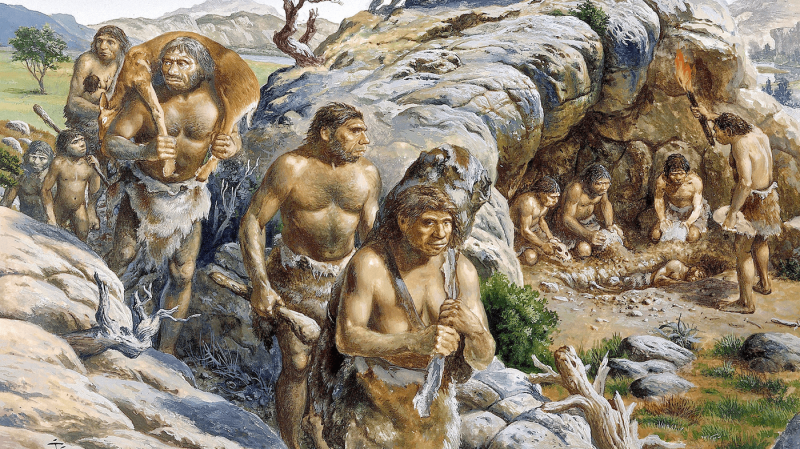
The harsh realities of the Ice Age โ€“ scarce food, rising population and the limitations ofย hunter-gathererย life drove tribes to eat each other for sheer survival. However, as societies evolved, so did the motivations behind cannibalism.

But before you imagine a horror movie trope โ€“ย cannibalismย isnโ€™t exactly taboo in the natural world.ย James Coleย from the University of Brighton was one of the first paleo archaeologists to provide evidence of cannibalism that goes beyond nutrition and calories and says “it’s actually pretty common. In fact, over 1500 different species, including primates eat each other.โ€

Rodents may eat some of their young if they’re sick, dead, or too numerous to feed while chimpanzees sometimes cannibalize infants to get some extra protein.

Follow the latest news and policy debates on sustainable agriculture, biomedicine, and other ‘disruptive’ innovations. Subscribe to our newsletter.

To Cole, cannibalism reflects a shift from natural selection to cultural selection where simply surviving nature wasn’t enough โ€“ survival now meant strengthening cultural cohesion within tight-knit groups, maintaining social control, and thwarting away attacks from rival tribes.

This form of cannibalism stemmed from a deep respect for the tribal totems, ancestral worship and aiding the deceasedโ€™s transition to the afterlife by severing the physical connection.

Theย Magdalenian cultureย in Europe, known for its elaborate artwork and famous Gough caves, makes a strong case for โ€œcultural cannibalism.โ€ Zig-zag engravings on arm bones different from those from butchery tools and presence of human skull caps suggests Magdalenian culture used cannibalism to honor the dead and maintain a connection in the afterlife.

At times, eating loved ones also was closely intertwined with humanity’s deep-seated beliefs and fear about the supernatural. For others, eating human flesh symbolized good harvests, health and warding off bad omens and misfortune.


This is an excerpt. Read the original post here

{{ reviewsTotal }}{{ options.labels.singularReviewCountLabel }}
{{ reviewsTotal }}{{ options.labels.pluralReviewCountLabel }}
{{ options.labels.newReviewButton }}
{{ userData.canReview.message }}

Related Articles

Infographic: Global regulatory and health research agencies on whether glyphosate causes cancer

Infographic: Global regulatory and health research agencies on whether glyphosate causes cancer

Does glyphosateโ€”the world's most heavily-used herbicideโ€”pose serious harm to humans? Is it carcinogenic? Those issues are of both legal and ...

Most Popular

Screenshot-2026-04-22-at-12.21.32-PM
Viewpoint: Why the retracted Monsanto glyphosate study doesnโ€™t change the scienceโ€”the worldโ€™s most popular herbicide is safeย 
ChatGPT-Image-Apr-16-2026-02_56_53-PM
Financial incentives, over diagnosis, and weak oversight: Autism claims are driving up Medicare costs
Picture1
The FDA couldnโ€™t find a vaccine safety crisis, so it buried its own research
ChatGPT-Image-May-1-2026-11_42_59-AM-2
Viewpoint: NAD is the wellness grifters latest evidence-lite longevity fad. At least the mice are impressed.
global warming
โ€˜Implausibleโ€™: Top climate scientists reject worst-case scenarioโ€”soaring temperatures and fast-rising sea levels
Screenshot-2026-05-21-at-12.15.17-PM
UK gene-editing milestone: Livestock barley that increases ruminant value and reduces methane emissions is first-approved CRISPR crop

Sorry. No data so far.

glp menu logo outlined

Get news on human & agricultural genetics and biotechnology delivered to your inbox.