As concerns over chemical usage and weed resistance increase, different technologies have been offered as alternatives to weed control. Recently, two U.K.-based companies have teamed up to produce a system that uses electricity to kill weeds.
“The principle of electric weeding has been around since the late 1800s,” says Jonathan Henry, managing director at Garford Farm Machinery. “So as an operating principle, it’s not a new one.
“The way it works is by passing current through the plant. It heats the fluid in the plant cells, vaporizes them and that damages the plant cells. Basically, after that happens the plant dries out, desiccates and dies.”
Garford, which has been building row-crop tillage equipment, has partnered with RootWave, which developed the electrical technology. Together, they’re introducing the “eWeeding” technology to the market, starting in the U.K., with plans to expand it to North America. It will eventually be marketed here through Garford’s existing dealer network.

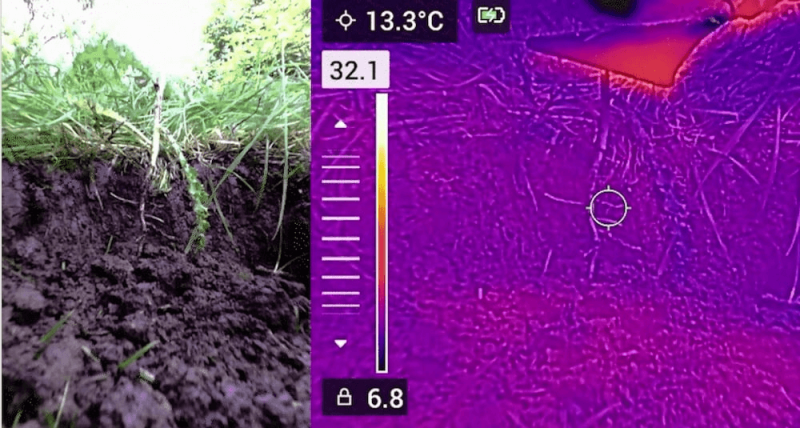
“One of the questions that often comes up from customers, does it have a negative impact on the biology of the soil?” he says. “Rootwave and others have done quite a bit of work in that space and none of those studies have detected any negative impact on the other soil biology, micro fauna, nematodes, fungi, bacteria, et cetera.
“There are multiple paths for the electricity to return; it’s such a large mass, therefore there is no significant heating in the soil structure. So it does what you want. It kills the weed and doesn’t hurt anything else.”