Podcast:
Podcast: Play in new window | Download
Subscribe: RSS
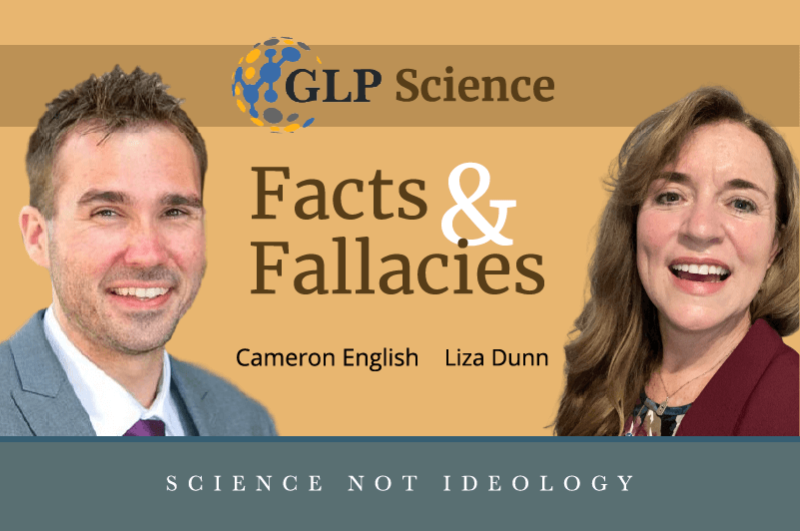
Join hosts Dr. Liza Dunn and GLP contributor Cameron English on episode 278 of Science Facts and Fallacies as they break down these latest news stories:
Preliminary research and many years of recreational use suggest that psychedelic drugs such as psilocybin, LSD and peyote may be effective treatments for depression, PTSD and other mental health conditions. While outright legalization of psychedelics have proved too controversial for most US states, California lawmakers are mulling legislation that would authorize their use for medicinal purposes. Many experts see this as an important step toward better health care, though they recognize that these powerful drugs can sometimes induce serious side effects and are not appropriate for all patients. Let’s take a look at how psychedelics work and how the law in California would regulate them.

A recent study generated a rash of alarming headlines warning that tampons may expose women to potentially harmful amounts of lead. As usual, the truth is more complicated than the news stories implied. Not only did the study fail to provide any evidence that tampons put women in harm’s way, the amount of lead detected in the sampled products was effectively zero, meaning they couldn’t even possibly pose a health risk.
America’s bloated, bureaucratic health care system has many serious deficiencies. Arguably one of the worst is its impact on prescription drug prices and access. Many important drug are often in short supply, and even when they’re available, they’re often so expensive that they might as well not be available. How did we get here, and what can be done to fix a system that routinely denies sick people access to medicine?
Dr. Liza Dunn is a medical toxicologist and the medical affairs lead at Bayer Crop Science. Follow her on X @DrLizaMD
Cameron J. English is the director of bio-sciences at the American Council on Science and Health. Visit his website and follow him on X @camjenglish