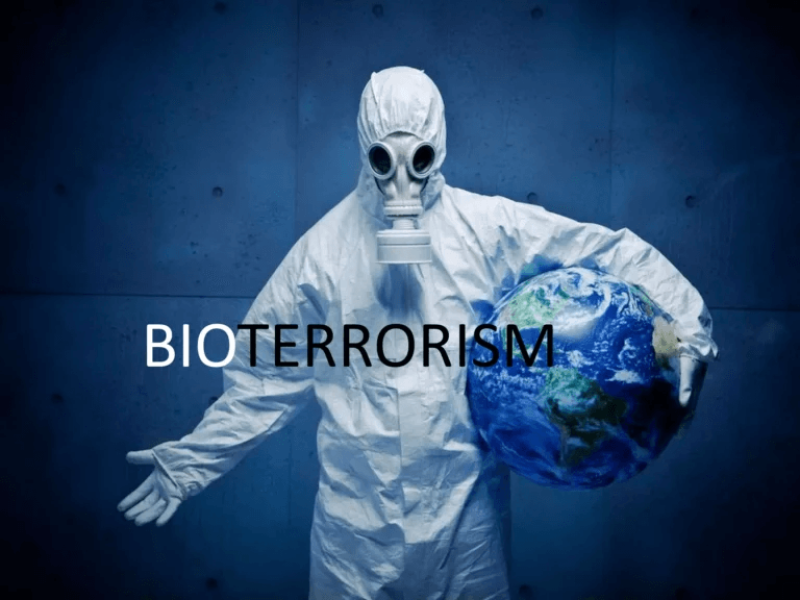
Viewpoint: We need a new approach to biotech regulations to avoid hijacking by bioterrorists

bioterrorism-1-2048-768x576

Genetic engineering technologies, particularly those that can modify the human genome, pose unique security risks. For instance, they could be used to create genetically enhanced biological agents that are more virulent or resistant to existing treatments. The concerns around the societal impact and aligned ethical concerns of genetic engineering also extend to biological weapons.

  • Targeting minorities: Ethnic communities that practise endogamy[e] may have common genetic markers and be vulnerable to the same diseases.[15] These commonalities can make minority groups the target for biological weapons that exploit such disease vulnerabilities. This can include a genetically motivated carrier or delivery system or a genetically enhanced biological agent. In this context, targeting populations based on race, caste, gender, and other sub-groups is not unimaginable.[16]
  • Increasing the virulence of biological weapons through genetic engineering: Genetic engineering has long been considered a potential tool for creating more lethal biological warfare agents. In 2003, experiments with the mousepox virus showed that inserting specific human genes, such as interleukin-4 (IL-4),[f] intended to boost the immune response, can result in a virus with significantly greater virulence. Comparable results have been observed with Vaccinia virus strains used in smallpox vaccination.[17] Furthermore, genetic engineering could create camouflaged viruses by hiding them within harmless bacteria.
Follow the latest news and policy debates on sustainable agriculture, biomedicine, and other ‘disruptive’ innovations. Subscribe to our newsletter.

Although emerging technologies and alliances are an intuitive next step in the future of warfare, security guidelines are yet to account for genetic engineering, being restricted by proxy due to existing standards on scientific limits on research and trade limits on biological agents. The potential societal harm from genetic engineering and its implications for the future of warfare and security necessitate an urgent examination of these issues.

This is an excerpt. Read the full article here

{{ reviewsTotal }}{{ options.labels.singularReviewCountLabel }}
{{ reviewsTotal }}{{ options.labels.pluralReviewCountLabel }}
{{ options.labels.noReviewsLabel }}
{{ options.labels.newReviewButton }}
{{ userData.canReview.message }}

Related Articles

Infographic: Global regulatory and health research agencies on whether glyphosate causes cancer

Infographic: Global regulatory and health research agencies on whether glyphosate causes cancer

Does glyphosate—the world's most heavily-used herbicide—pose serious harm to humans? Is it carcinogenic? Those issues are of both legal and ...

Most Popular

Screenshot-2026-07-09-at-1.09.25-PM
Anti-vaccine myths rattle health care
ChatGPT-Image-Mar-10-2026-01_39_01-PM
Viewpoint—“Miracle molecule” debunked: Why acemannan supplements don’t work
ChatGPT-Image-Jul-10-2026-12_21_03-PM
Viewpoint: Is there new evidence that the animal deworming drug ivermectin decreases the risk of Covid and cancer? Don’t waste your money.
Picture1
Hiroshima at 81: America’s new nuclear bomb, a buried Iranian target, and a question no one wants to ask
ChatGPT-Image-Jun-25-2026-12_23_17-PM
No, Bill Gates did not secretly engineer ticks to promote veganism
leeteam
How Kennedy and his family could pocket millions from Merck’s $50 million vaccine injury settlement that he oversaw
Screenshot-2026-07-30-at-2.30.35-PM
Climate scientists claim conservative activists are promoting ‘lies’ that Europe’s summer heatwaves are far from unusual
Screenshot-2026-07-30-at-3.07.42-PM
Controversy over WNBA star Sophie Cunningham’s comment opposing trans females in women’s sports reinvigorates the culture wars

Sorry. No data so far.

glp menu logo outlined

Get news on human & agricultural genetics and biotechnology delivered to your inbox.