Podcast:
Podcast: Play in new window | Download
Subscribe: RSS
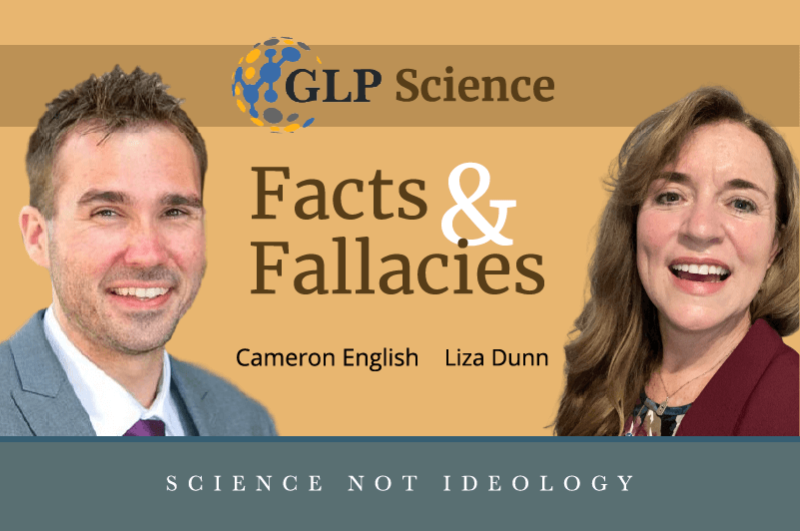
Join hosts Dr. Liza Dunn and GLP contributor Cameron English on episode 280 of Science Facts and Fallacies as they break down these latest news stories:
The single-celled parasite Toxoplasma gondii can cause deadly foodborne illnesses in humans, but scientists think they may be able to put this nasty microbe to work on a more helpful task: treating serious neurological conditions, including Parkinson’s disease. Researchers recently reprogrammed the parasite to deliver therapeutic proteins to the brains of rodents and human brain cells grown in the lab. The technique is a long way from the clinic; it will take years to demonstrate the safety and efficacy of this drug-delivery method. Nevertheless, experts are hopeful that this souped-up parasite will one day help deliver medicines to regions of the brain that are off limits today.




A growing body of research indicates that psychedelic drugs may be effective treatments for PTSD, though the FDA says it needs better evidence before it approves the first MDMA (ecstasy)-based therapy for the condition. The agency claims it identified critical problems in the application submitted in support of the drug, including poorly designed studies, potentially serious heart problems and elevated risk of drug abuse and, oddly, allegations of sexual misconduct during the clinical trial. The news is a serious setback for psychedelic advocates; however, many say it’s only a matter of time before this therapy or another earns regulatory approval.
Pharma giant Johnson & Johnson is poised to shell out more than $6 billion to settle thousands of lawsuits. The company’s terrible offense? Selling baby powder. Despite expansive evidence that the talc-based product is safe as used and no data to support a link to ovarian cancer, J&J could potentially go bankrupt pending the outcome of the settlement negotiations. That possibility highlights an alarming public health risk: the companies that develop vaccines, cancer therapies and other life-saving drugs could be eliminated by greedy trial lawyers pursing an unearned payday.
Dr. Liza Dunn is a medical toxicologist and the medical affairs lead at Bayer Crop Science. Follow her on X @DrLizaMD
Cameron J. English is the director of bio-sciences at the American Council on Science and Health. Visit his website and follow him on X @camjenglish