Understanding how GMOs differ in traits, development, and farming benefits is important for farmers and consumers.
Dr Eliud Kireger of the Kenya Agricultural and Livestock Research Organisation and Prof Theoplius Mutui from the Kenya Plant Health Inspectorate Services provide valuable insights into these distinctions.
…
Kireger said genetically modified organisms, are crops that have undergone genetic alterations such as deletions, inversions, insertions, or translocations of genes to confer specific traits.
These traits can include drought tolerance, high yield, longer shelf life, disease resistance, and pest resistance—attributes often difficult to find in nature.

…
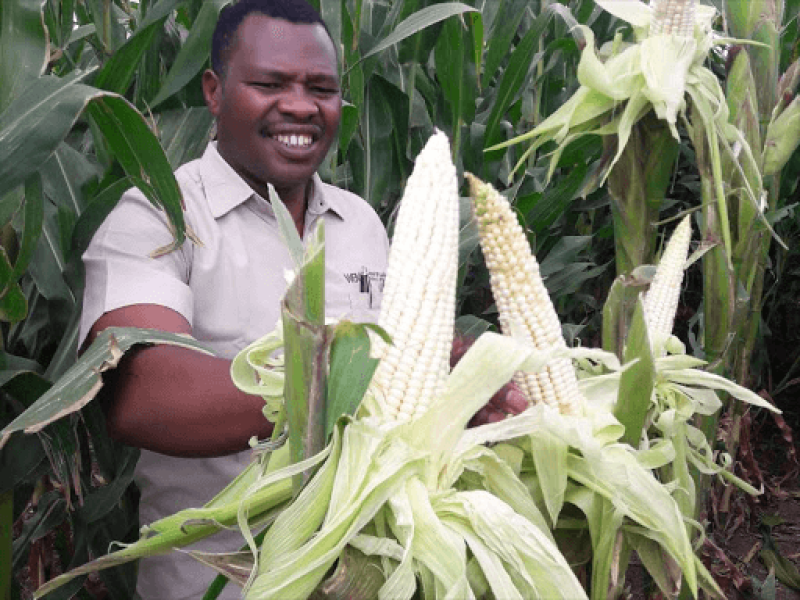
Hybrids are created by crossing different breeds with various attributes, such as fast growth or pest tolerance, to produce a plant with improved characteristics. All maize varieties such as 614, 511, and Nyota beans are hybrids, not GMOs.
Hybrids in crops result from crossing high-quality parent plants selected for specific traits, such as high yield, early maturity, drought tolerance, disease resistance, taste, colour, and nutritional value.