Citing the precautionary principle, South African high court rescinds approval of drought tolerant GMO corn

Credit: Alliance for Science

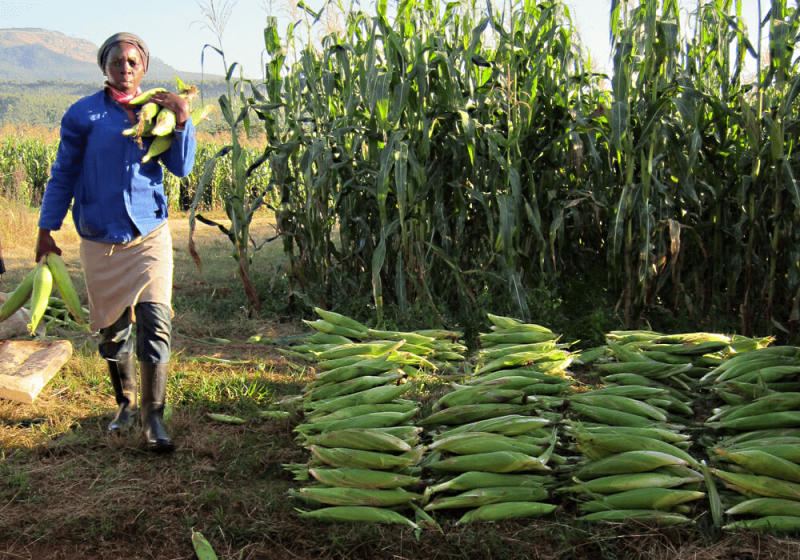
South Africa’s Supreme Court delivered a ground-breaking ruling that reversed the approval of [genetically] modified organisms (GMOs), specifically, a drought-resistant M8746 maize developed by Monsanto.  This landmark decision, which could have far-reaching implications for the agriculture sector, also raised significant concerns regarding food safety, environmental health, and the regulatory framework surrounding GMOs in the country.

Mis- and disinformation are distorting science and public policy. Subscribe to our Daily and Weekly Digests for incisive coverage of ‘disruptive’ innovations in AI, agricultural biotechnology, food, chemicals, nuclear energy, vaccines, and other disruptive innovations.

Central to the court’s ruling was the application of the “precautionary principle,” a fundamental tenet in environmental law that advocates minimising risk in the face of uncertainty. The Supreme Court determined that the regulators had not appropriately applied this principle, which calls for protective measures when there is potential for serious or irreversible harm.

…
The reversal of South Africa’s approval of Monsanto’s GMO maize represents a watershed moment in the country’s approach to agricultural biotechnology. It emphasises the necessity for comprehensive safety assessments, adherence to the precautionary principle, and a critical evaluation of expert evidence. As debate on GMOs continues, the implications of this ruling may extend beyond South Africa, influencing international discussions on food safety, environmental protection, and the ethics of biotechnology.


This is an excerpt. Read the original post here

Related Articles

Infographic: Global regulatory and health research agencies on whether glyphosate causes cancer

Infographic: Global regulatory and health research agencies on whether glyphosate causes cancer

Does glyphosate—the world's most heavily-used herbicide—pose serious harm to humans? Is it carcinogenic? Those issues are of both legal and ...

Most Popular

ChatGPT-Image-Mar-10-2026-01_39_01-PM
Viewpoint—“Miracle molecule” debunked: Why acemannan supplements don’t work
AI Doctor with a Digital Neural Head
Utah becomes first state to empower AI to bypass doctors and prescribe certain drugs
Screenshot-2026-10-07-at-2.00.02-PM
9 wellness myths busted
Screenshot-2026-09-22-at-12.26.15-PM
‘Forever chemical’ concerns: Separating hysteria from reasonable concern in the debate over PFAS danger
Screenshot-2026-10-06-at-11.13.59-AM
RFK Jr.’s plan to curb America’s appetite for ultra-processed foods and artificial dyes blocked by the White House
Screenshot-2026-09-28-at-11.26.17-AM
Viewpoint: Wellness movement activists reposition nicotine from a killer addictive drug into a cure-all for brain ills
Screenshot 2026-07-29 at 10.40
The COVID vaccine turbo cancer scare is back. Science still proves it’s wrong.
glp menu logo outlined

Get news on human & agricultural genetics and biotechnology delivered to your inbox.