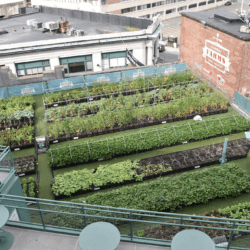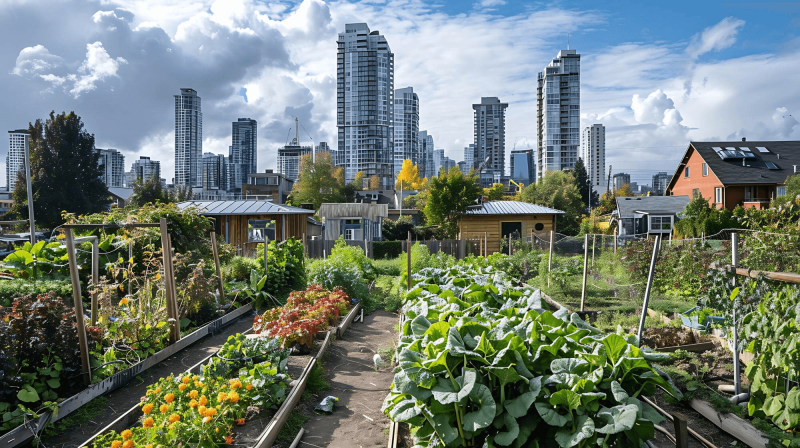

Urban farming is [getting] a modern makeover thanks to technology. From beautiful gardens on top of tall buildings to sleek indoor farms, cities are finding innovative ways to grow their own food. With the help of smart sensors, automated systems, and data-driven insights, urban farmers can now make the most of small spaces while cutting down on environmental harm. This blend of tech and nature isn’t just feeding our cities — it’s helping to build food systems that are more sustainable and resilient.
Technology plays a vital role in transforming urban agriculture, making it more efficient, sustainable, and adaptable to the unique challenges of city environments. One of the key advantages is the ability to manage resources with precision, ensuring that even small urban farms can thrive. By using tools that offer real-time insights and data, such as software for precision crop farm monitoring, urban farmers can optimize their use of water, energy, and space, leading to increased productivity in even the most compact areas. This kind of technology allows urban farms to operate with higher efficiency, reducing waste and ensuring that resources are used wisely. It also helps urban farmers make informed decisions about planting cycles, irrigation needs, and crop health, improving overall outcomes.