This technique is actually the laboratory version of classical mutation breeding. As it is known, mutation is a spontaneous or purposeful change in one of the living genes. Nearly 4000 varieties improved by mutation methods have been registered in the world. Genome editing includes CRISPR and a number of new gene engineering methods. In these methods, there is no external gene transfer, as with GMOs. On the contrary, the targeted gene is muted with temporary DNA cutting enzymes applied, its effect is increased or decreased, that is, it is subjected to micro-mutation.
In plant breeding, new genotypes are constantly being developed using techniques such as classical hybridization, selection, mutation and polyploidy – and by introducing GMO (Genetically Modified Organisms) methods in the last 30 years. While the Gene Editing method (i.e. new breeding technique (NGT)) discovered in 2013 won the Nobel Prize for its discoverers, it also shortened the breeding period considerably.
The varieties developed with gene editing methods in the last few years include freshwater sea bream in Argentina in 2019, soybean with improved oil quality in the USA, chickpeas in India, which were developed in a short period of four years, sweet tomatoes in Japan, and coral fish in Japan. The first calf was cloned in Russia using CRISPR which eliminates the cow milk allergies.
In the EU, genotypes developed with this method are treated the same as genetically modified products (GMO) in registration procedures. Hundreds of millions of euros are required for environmental and health testing of these genotype candidates, as is the case with GMOs, which is an expense small-scale companies cannot afford. Varieties developed with NGT are tested and registered in many countries, especially in the USA, according to the regulations applied to variety candidates developed through classical breeding, not within the scope of GMO. A European Seed Community official’s opinion on this issue is worth noting:
“We believe that this NBT with high added value for both the farmer and the society is a profitable and practical application. It is time for the EU high councils to reconsider the issue. We can also intervene politically in the matter.”




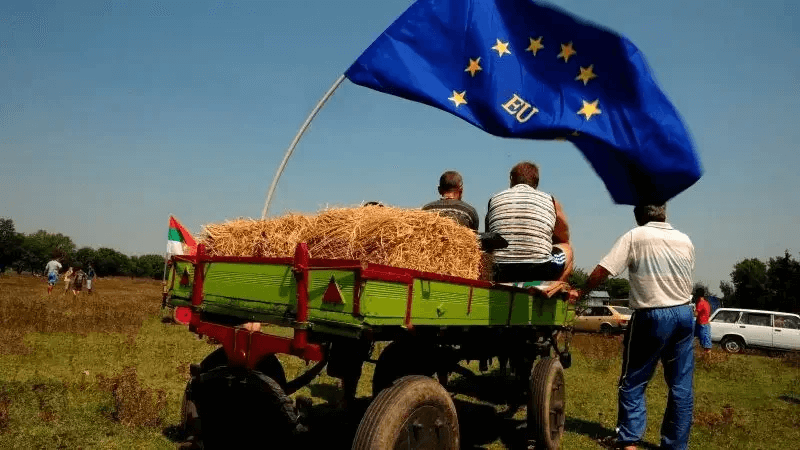
The perspective on gene editing methods varies from country to country. For example, the EU included the legislation regarding this method within the scope of GMO, virtually banning the cultivation of varieties developed with gene editing methods. Under pressure from various groups, the EU made a legislative change regarding the registration of varieties developed within the scope of gene NGT at the beginning of 2024. While the new legislation provides an opportunity for the registration of gene editing products applied in classical varieties (NGT1), it does not apply to products obtained by gene editing made in non-classical varieties (NGT2), such as GMO. Legality will come into force when approved by all EU states. Currently, nearly 40 candidate genotypes for registration in the EU are eagerly expecting the legal deadline.
The EU’s attitude in biotechnology also has an impact on other countries who cannot make much progress on GMO or gene editing due to potential problems they would face in exporting agricultural products. These countries need many years to develop the directives and research infrastructure required, and the lack of a holistic umbrella organization in developing countries makes things even more challenging.
Dr. Nazimi Açıkgöz is an analyst, and writer based out of Izmir, Turkey. He studied at the University of Ankara and recieved a Ph.D from Munich Technical University, he was also Professor Emeritus of plant breeding at Ege University. Follow Nazimi on Twitter @nazimiacikgoz
A version of this article was posted at No Chance to Food Crisis and is used here with permission