Hype or helpful: What does ‘clean eating’ really mean?

Credit: Mindful
Credit: Mindful

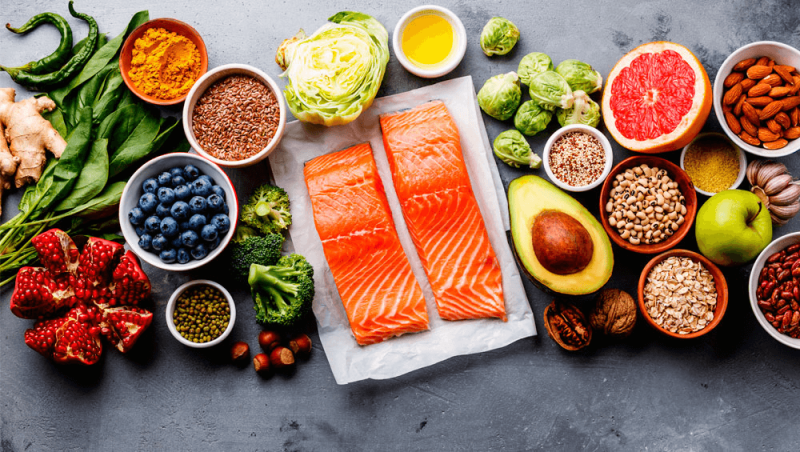
Eating clean sounds smart—in theory. Generally, the idea focuses on eating more whole foods and less ultra-processed foods. (Great!) But in practice, experts say that assigning labels to foods can be risky for your mental health. (Not so great.)

To step back, clean eating is a staple of the social media wellness universe, and about 11 percent of Americans now say they follow a clean eating diet. However, there are no standard definitions for “clean eating” or “clean foods.” Unlike USDA Organic, a food claim regulated by the U.S. Department of Agriculture, clean eating can be whatever you make it.

Follow the latest news and policy debates on sustainable agriculture, biomedicine, and other ‘disruptive’ innovations. Subscribe to our newsletter.

Here’s why that matters, for your physical—and mental—health.

This is an excerpt. Read the original post here

{{ reviewsTotal }}{{ options.labels.singularReviewCountLabel }}
{{ reviewsTotal }}{{ options.labels.pluralReviewCountLabel }}
{{ options.labels.newReviewButton }}
{{ userData.canReview.message }}

Related Articles

Infographic: Global regulatory and health research agencies on whether glyphosate causes cancer

Infographic: Global regulatory and health research agencies on whether glyphosate causes cancer

Does glyphosate—the world's most heavily-used herbicide—pose serious harm to humans? Is it carcinogenic? Those issues are of both legal and ...

Most Popular

Screenshot-2026-04-12-135256
Bixonimania: The fake disease scam that AI swallowed whole
Screenshot-2026-05-01-at-1.29.41-PM
Viewpoint: What happens when whole grains meet modern food manufacturing? Labels don’t tell the whole story.

Sorry. No data so far.

glp menu logo outlined

Get news on human & agricultural genetics and biotechnology delivered to your inbox.