Anxious about mRNA technology? Here’s what you need to know

Credit: Oregon Health News Blog

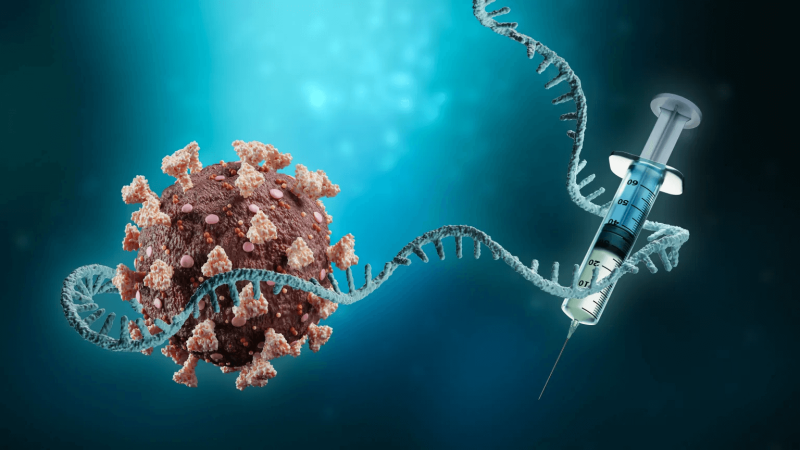
When mRNA vaccines emerged as heroes during the COVID-19 pandemic, headlines heralded them as a revolutionary new technology. Many people wondered: How could a new technology be safe enough to give to millions of people? The answer reveals a surprising truth: mRNA technology isn’t new at all. Scientists have been developing and testing it since 1978 systematically proving its safety through decades of careful research.

Follow the latest news and policy debates on sustainable agriculture, biomedicine, and other ‘disruptive’ innovations. Subscribe to our newsletter.

Few people realize that mRNA vaccines existed long before COVID-19 [but] hadn’t gained widespread use for a simple reason. [W]hile they consistently proved safe in trials spanning decades, they often fell short of the high efficacy standards required for regulatory approval. In other words, the vaccines were safe but not effective enough at preventing disease to justify widespread use. Then came COVID-19, and something extraordinary happened.


This is an excerpt. Read the original post here

{{ reviewsTotal }}{{ options.labels.singularReviewCountLabel }}
{{ reviewsTotal }}{{ options.labels.pluralReviewCountLabel }}
{{ options.labels.newReviewButton }}
{{ userData.canReview.message }}

Related Articles

Infographic: Global regulatory and health research agencies on whether glyphosate causes cancer

Infographic: Global regulatory and health research agencies on whether glyphosate causes cancer

Does glyphosate—the world's most heavily-used herbicide—pose serious harm to humans? Is it carcinogenic? Those issues are of both legal and ...

Most Popular

Screenshot-2026-04-12-135256
Bixonimania: The fake disease scam that AI swallowed whole
Screenshot-2026-05-01-at-1.29.41-PM
Viewpoint: What happens when whole grains meet modern food manufacturing? Labels don’t tell the whole story.

Sorry. No data so far.

glp menu logo outlined

Get news on human & agricultural genetics and biotechnology delivered to your inbox.