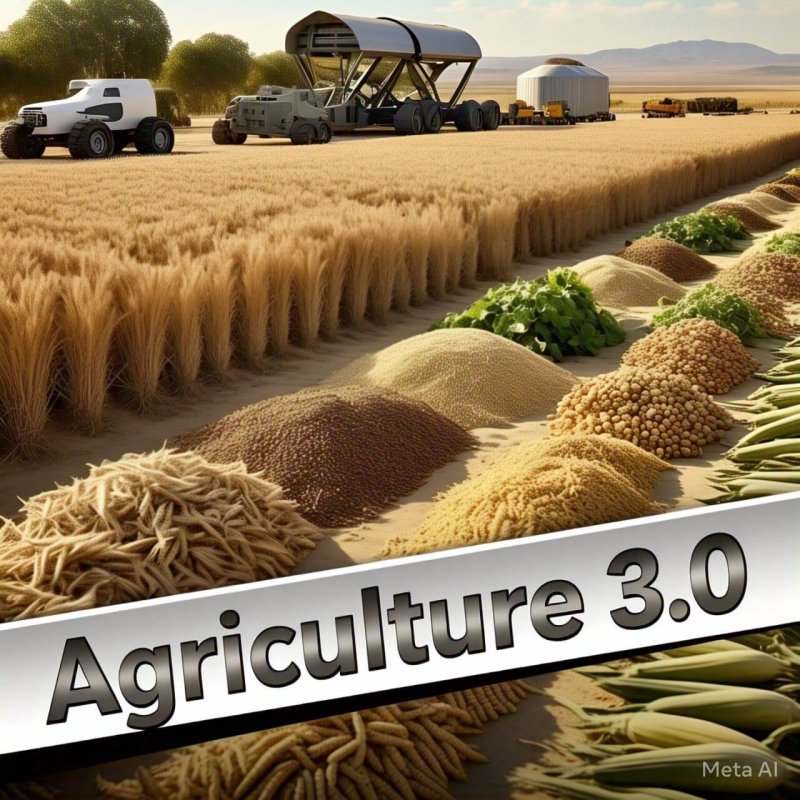
Edging toward Agriculture 3.0: Genetics, irrigation and fertilization are improving—Is that enough for the leap forward necessary to feed the world?

AQP2ASFBRrTEfTPsdW5aK-A5vp7vnlP4GQqJYeWDK5-crAjtFKmbUb-hxbfR7l5_8nT5xTd-CZI6mOFZvYs-qZzhYyc2mlRZ_Z1YTCRDhPmjpbUMncLzurTW9-oTsIgtMxWXZpQNNr4Z-XnwzR1Q-lqLNjMI2g
Sometime in the 1980s, an unprecedented change in the human condition occurred. For the first time in known history, the average person on Earth had enough to eat all the time.
Depending on their size, adult humans need to take in about 2,000 to 2,500 calories per day to thrive. For as far back as historians can see, a substantial number of Earth’s inhabitants spent much of their lives below this level. Famine and want were the lot of many — sometimes most — of our species.
Follow the latest news and policy debates on sustainable agriculture, biomedicine, and other ‘disruptive’ innovations. Subscribe to our newsletter.
Almost one out of ten people still do not get enough to eat. But hunger today is generally due to low incomes and poor food distribution, rather than failing to grow enough food. Farmers produce enough for everyone, but not all get what they need. Still, our daily lives are nothing like those of previous generations.
What happened? Modern agriculture.
Today, Farming-2.0-style agriculture — which began with innovations in field crops like wheat but spread to other parts of farming, such as cattle ranching and chicken-raising — is by almost any measure the world’s most critical industry.
The sheer scale of Farming 2.0, with its giant farms and giant firms, has led food consumers increasingly to mistrust the industry. They don’t believe these enormous, profit-making enterprises have their best interests at heart. The mistrust is aggravated by the very success of modern agriculture, which has made it possible for much of the world’s population to live without having any connection to the farms and farmers who provide their food.
The next task for the next generation of farmers, researchers, and agricultural companies will be to maintain the gains of the past for all these new people while preserving the environment for the future.

{{ reviewsTotal }}{{ options.labels.singularReviewCountLabel }}
{{ reviewsTotal }}{{ options.labels.pluralReviewCountLabel }}
{{ options.labels.newReviewButton }}
{{ userData.canReview.message }}

Related Articles

Infographic: Global regulatory and health research agencies on whether glyphosate causes cancer

Infographic: Global regulatory and health research agencies on whether glyphosate causes cancer

Does glyphosate—the world's most heavily-used herbicide—pose serious harm to humans? Is it carcinogenic? Those issues are of both legal and ...

Most Popular

vax-misinformation-main
Facts & Fallacies Podcast: Limit free speech to blunt social media misinfo?
Picture1
The FDA couldn’t find a vaccine safety crisis, so it buried its own research
ChatGPT-Image-Apr-16-2026-02_56_53-PM
Financial incentives, over diagnosis, and weak oversight: Autism claims are driving up Medicare costs
ChatGPT-Image-May-12-2026-11_27_01-AM-2
AI likely to improve health care, research shows—but not for blacks and ethnic minorities
modi visit sikkim
Viewpoint: Indian PM wants farmers to switch to 50% organic. It would take at least 10 years, likely won’t work, and isn’t more sustainable
Screenshot-2026-04-22-at-12.21.32-PM
Viewpoint: Why the retracted Monsanto glyphosate study doesn’t change the science—the world’s most popular herbicide is safe 
Screenshot-2026-05-19-at-11.23.34-AM
West-originated vaccine disinformation sparks murders of health care workers across Africa
ChatGPT-Image-May-20-2026-04_53_21-PM-2
Viewpoint: Doctors can fight health misinformation — if hospitals let them
newborn infant baby mother
Sharp rise in number of parents refusing newborn vitamin K shots, putting babies at 81-fold higher risk of severe bleeding
ChatGPT-Image-May-7-2026-12_32_36-PM
Viewpoint: The state of U.S. vaccine policy? Dismal nationally, but some states are stepping up.
Screenshot-2026-04-13-at-1.39.26-PM
Viewpoint: ‘Safer for children?’ Stonyfield yogurt under fire for deceptive organic marketing
Screenshot-2026-05-18-at-3.04.37-PM-2
Social media’s health advice red flags
Screenshot-2026-05-18-at-12.57.12-PM
Viewpoint—‘Technology is pulling us apart’: Environmental, political, and economic
glp menu logo outlined

Get news on human & agricultural genetics and biotechnology delivered to your inbox.