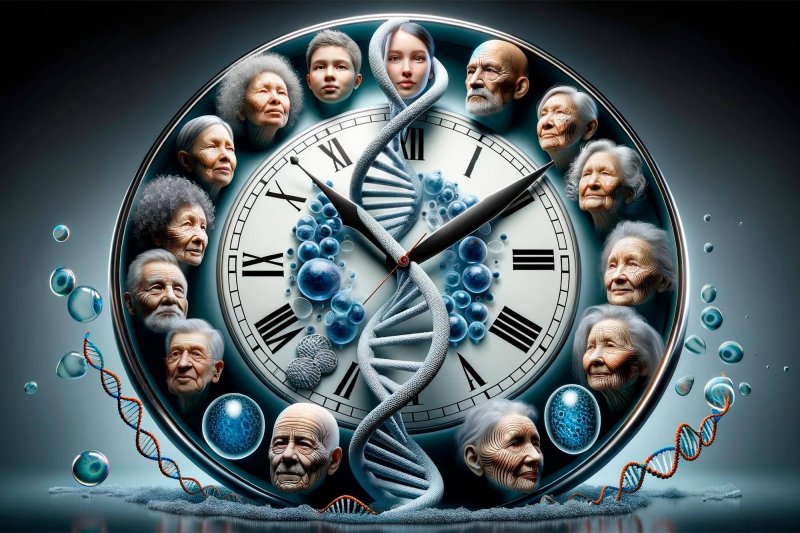

A new study from a team of biologists and epidemiologists at UC San Diego is calling into question [the] core foundation of much anti-aging research. The findings suggest a focus on reversing epigenetic markers may be the wrong approach for trying to reverse aging, and a competing hypothesis around the relationship between aging and DNA mutations may be a better approach.
Although DNA methylation can be shown to lead to somatic mutations, the researchers note this model does not account for observations where mutations were detected in areas of the genome with low levels of methylation. In other words, the local probability of mutations should be decreased in the presence of hypomethylation if methylation was the driver of mutations. But that wasn’t what the researchers saw.





Here the researchers propose their radical theory – mutations are possibly the upstream driver of DNA methylation. And what this ultimately means is that anti-aging work focusing on scrubbing a cell of methylation markers may be futile.