Promoted by RFK, Jr. and food influencers bashing seed oils is in fashion. Nutrition scientists shake their heads at this mass ignorance

WELL-SEED-OILS2-jfmz-mediumSquareAt3X

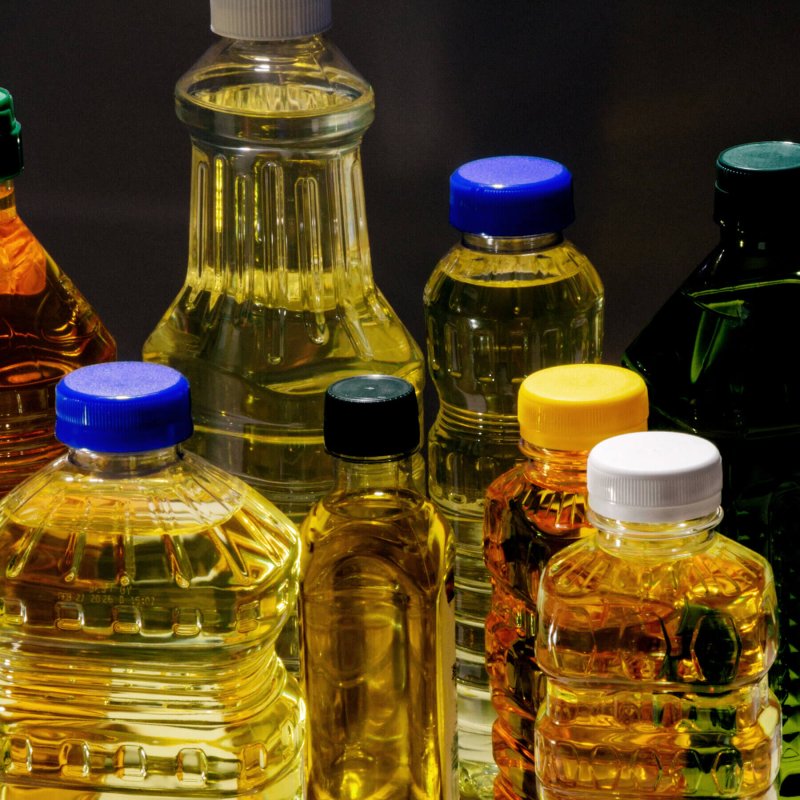
[‘Seed oil’] is the catchy description coined by internet influencers, wellness gurus and some politicians to refer to common cooking oils — think canola, soybean and corn oil — that have long been staples in many home kitchens.

Those fiery critics refer to the top refined vegetable oils as “the hateful eight” and claim that they’re fueling inflammation and high rates of chronic diseases like obesity and diabetes.

Robert F Kennedy Jr, the new health secretary, has said Americans are being “unknowingly poisoned” by seed oils and has called for fast-food restaurants to return to using beef tallow, or rendered animal fat, in their fryers instead.

Follow the latest news and policy debates on sustainable agriculture, biomedicine, and other ‘disruptive’ innovations. Subscribe to our newsletter.

The seed oil discussion has exasperated nutrition scientists, who say decades of research confirms the health benefits of consuming such oils, especially in place of alternatives such as butter or lard.

“I don’t know where it came from that seed oils are bad,” said Martha Belury, an Ohio State University food science professor.

[R]esearch from the American Heart Association and others has consistently shown that plant-based oils reduce so-called bad cholesterol, lowering the risk of heart disease and stroke, especially compared with sources high in saturated fat.

“There is no evidence to indicate that beef tallow is healthier than seed oils, [writes food scientist Eric] Decker …. “Remember, tallow is also processed to purify the fat.”


This is an excerpt. Read the original post here

{{ reviewsTotal }}{{ options.labels.singularReviewCountLabel }}
{{ reviewsTotal }}{{ options.labels.pluralReviewCountLabel }}
{{ options.labels.newReviewButton }}
{{ userData.canReview.message }}

Related Articles

Infographic: Global regulatory and health research agencies on whether glyphosate causes cancer

Infographic: Global regulatory and health research agencies on whether glyphosate causes cancer

Does glyphosate—the world's most heavily-used herbicide—pose serious harm to humans? Is it carcinogenic? Those issues are of both legal and ...

Most Popular

ChatGPT-Image-May-7-2026-12_16_37-PM-2
Viewpoint: Are cancer rates ‘skyrocketing’ as RFK, Jr. and MAHA claims? The evidence says mostly the opposite
Screenshot-2026-04-13-at-1.39.26-PM
Viewpoint: ‘Safer for children?’ Stonyfield yogurt under fire for deceptive organic marketing
Screenshot-2026-04-22-at-10.46.29-AM
Viewpoint: How to counter science disinformation? Science journalist offers 12 practical tips
png-pill-omega-Supp-fish-oil
Millions take omega-3 fish oil for brain health. New research suggests it may do the opposite.

Sorry. No data so far.

glp menu logo outlined

Get news on human & agricultural genetics and biotechnology delivered to your inbox.