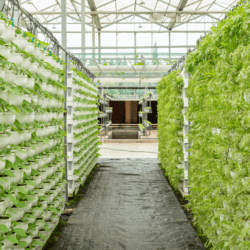
When genome editing and vertical farming are combined, the results are transformative. Scientists can tailor crops-like dwarf wheat or fast-growing lettuce-to thrive in vertical farms. Genetic traits suited to indoor conditions, such as compact size and continuous fruiting, can be introduced via CRISPR far more rapidly than through traditional breeding. Companies are already designing crops exclusively for indoor farms.
From an industry standpoint, embracing these innovations can open new markets. If Pakistan develops expertise in CRISPR-edited crops like salt-tolerant rice or high-zinc wheat, we could export or license these innovations to countries with similar needs. Likewise, successful models of vertical farming could be replicated in other regions. There is real opportunity for Pakistan’s agri-tech sector to lead the region by leveraging our strong agricultural base and emerging tech talent. … [P]akistan has the scientific talent and pressing need to boost crop productivity and climate resilience. By investing in these frontier technologies and crafting enlightened policies, we can leapfrog into a new age of agriculture.