
Traditional farming tools — big tractors, crop dusters, and lots of human labor — are expensive, inefficient, and hard on the planet. Tractors compact soil, reducing yields over time. Planes overspray, wasting chemicals and polluting nearby waterways. Manual labor is costly and increasingly hard to find.
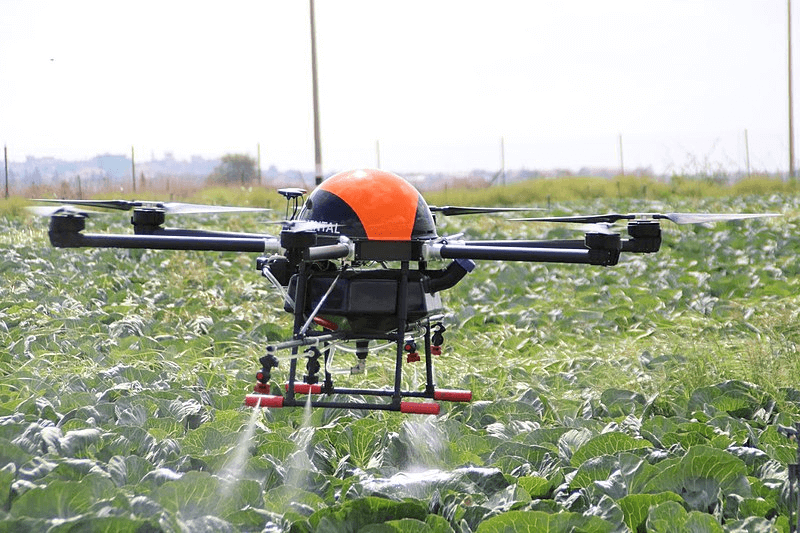
Drones avoid all of that. They don’t crush soil. They don’t waste spray. And they don’t burn diesel. They’re lightweight, electric, and precise. It’s clean technology in a sector that badly needs it.
Modern ag drones do more than just spray. They gather data, use AI to analyze it, and give farmers insights they didn’t have before.
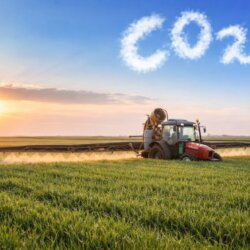
Agriculture is one of the biggest sources of carbon emissions, and one of the hardest to decarbonize. But with drones, we’ve found a clean tech solution that’s ready to scale today. It’s already cutting emissions, reducing chemical use, and helping farmers do more with less.



No silver bullet exists for climate change or food security. But agricultural drones come pretty close to being a low-hanging fruit — ripe, reachable, and worth picking now.