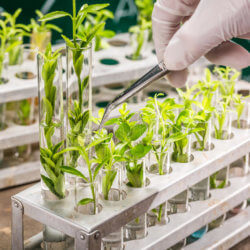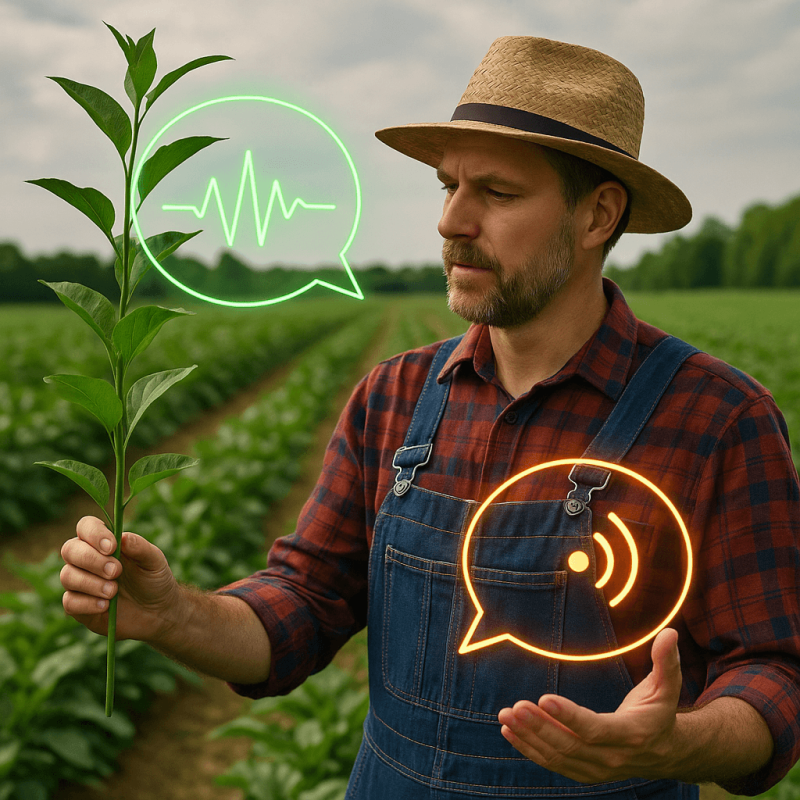

Researchers at the Center for Research on Programmable Plant Systems (CROPPS) at Cornell University have taken a huge step toward making plant communication a two-way street. The team’s latest study, published in the Proceedings of the National Academy of Sciences , unlocks a century-old mystery about how plants internally signal stress.
When a plant is wounded, such as when a caterpillar chews on a leaf, the pressure changes. This shift can cause a mass flow of water that carries stress chemicals to distant parts of the plant. These chemicals might, for example, prompt the plant to produce a toxic acid that fends off insects.
The ability for plants to send and receive signals opens up exciting possibilities for farming . If they can tell farmers exactly when they need help, it could lead to healthier crops and less wasted resources.