It wasn’t a total train wreck. That’s the best way to summarize the Make America Healthy Again (MAHA) Commission’s May 22 report addressing rising rates of chronic childhood diseases in the U.S. Led by Health and Human Services Secretary Robert F. Kennedy Jr., the Commission’s 68-page document mixed some good science with a lot of speculation and inference that could mislead the public as much as inform them about how to keep their kids healthy.
The report identified four potential drivers of obesity, diabetes, autism, and mental health disorders: poor diet, chemical exposure, lack of physical activity, and overmedicalization. Over 40 percent of nearly 73 million U.S. children have at least one chronic health condition, the document noted, with obesity rates in children over six exceeding 20 percent—a troubling increase since the 1970s. In what may be its most science-based analysis, the Commission observed that most US children don’t get the recommended amount of physical exercise each week, and more than 50 percent of American teens spend nearly nine hours daily in front of screens outside of school, correlating with reduced physical activity, sleep deprivation, and increased risks of obesity and mental health issues.
Although the report correctly diagnosed some of the critical health issues facing children, its prescriptions were often disappointing. For example, the Commission’s claims about chemical exposures, including pesticides, pharmaceutical drugs and consumer products, were just wrong, falsely asserting that these exposures could cause a “wide range of toxic effects” without robust evidence. In fact, the report’s sources sometimes directly contradicted the Commission’s conclusions, raising suspicions that the authors had predetermined points they were going to make regardless of what the evidence actually showed. This weakens the Commission’s credibility and risks vilifying widely used chemicals that help us protect public health and produce an abundant food supply.
The report called for further research and policy recommendations by August 2025, though it remains to be seen if those conclusions will be based on the “gold standard science” RFK, Jr. so frequently touts to the media.
Podcast:
Podcast: Play in new window | Download





Subscribe: RSS
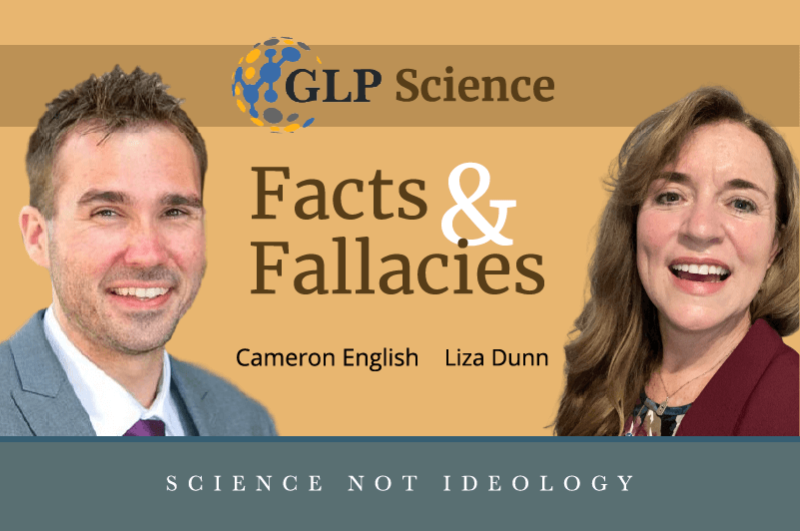
Join hosts Dr. Liza Dunn and GLP contributor Cameron English on episode 317 of Science Facts and Fallacies as they discuss:
Dr. Liza Dunn is a medical toxicologist and the medical affairs lead at Bayer Crop Science. Follow her on X @DrLizaMD
Cameron J. English is the director of bio-sciences at the American Council on Science and Health. Visit his website and follow him on X @camjenglish