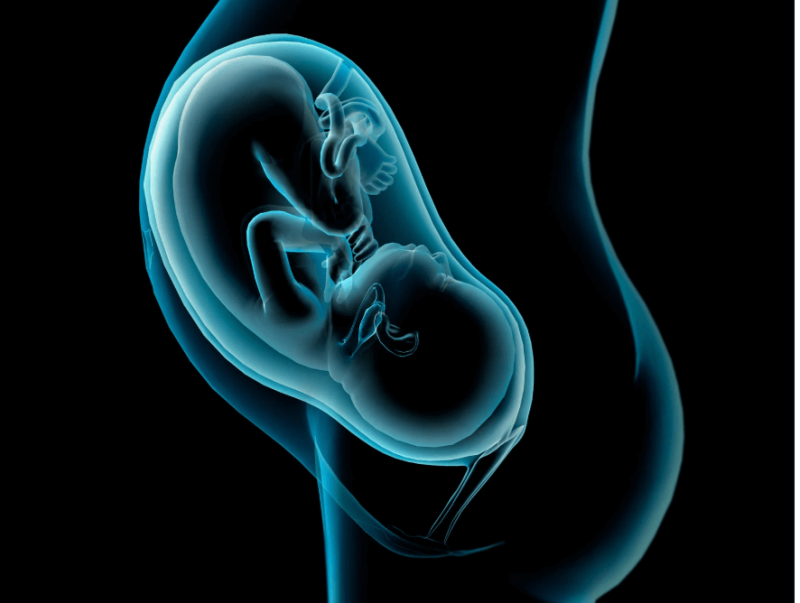
Female mammals house the mechanisms over which eggs (and sperm) are used for reproduction inside their bodies, while amphibians, reptiles, and fish let outside ecological conditions like temperature, predators, salinity and pollutants decide who lives and dies. Both strategies are clearly effective, but why would mammals have shifted away from a successful model?
It could be that longer-lived mammals are able to store epigenetic information about local conditions as they grow, which could influence when and which eggs and sperm are chosen. The choices about who lives and who doesn’t are made before or during conception, instead of after, resulting in offspring that are best suited to current conditions.
By bringing fertilization and growing their young inside the female body, mammals can then use their lived experience (not just conditions at the moment of conception) to affect which traits are selected for.
…

When you only have a baby or two at a time, instead of hundreds, it then becomes logical to invest in ensuring it has the best chances of survival ….