Micro- and nanoplastics cause stress to crops such as lettuce and carrots, PhD candidate Laura Julia Zantis found. This can lead to reduced growth and a lower nutritional value. Biodegradable plastics have this effect too, likely because of chemicals they release during degradation.
Zantis studied how microplastics and nanoplastics (the even smaller particles) affected the growth of barley, wheat, carrot, and lettuce. Based on several experiments, she concluded that the stress reaction in these plants is unmistakable. Especially at the molecular level, the consequences are significant. The crops produce stress hormones and activate their defense mechanisms.
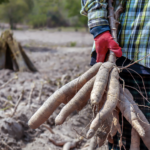
Leafy plants such as carrot and lettuce seemed to suffer the most. The monocots, like barley and wheat, appeared a bit more resilient. But all of them had a lower nutritional value after being exposed to plastic particles in the soil. ‘When the immune system is activated all the time, it costs a lot of energy and nutrients’, Zantis explains.
Her research confirmed what earlier studies had indicated: plastics have an adverse effect on plants, particularly at a biochemical level. But Zantis went a step further by including four different species in one study and by examining the effects of biodegradable plastics.
Biodegradable plastics dissolve and release chemicals
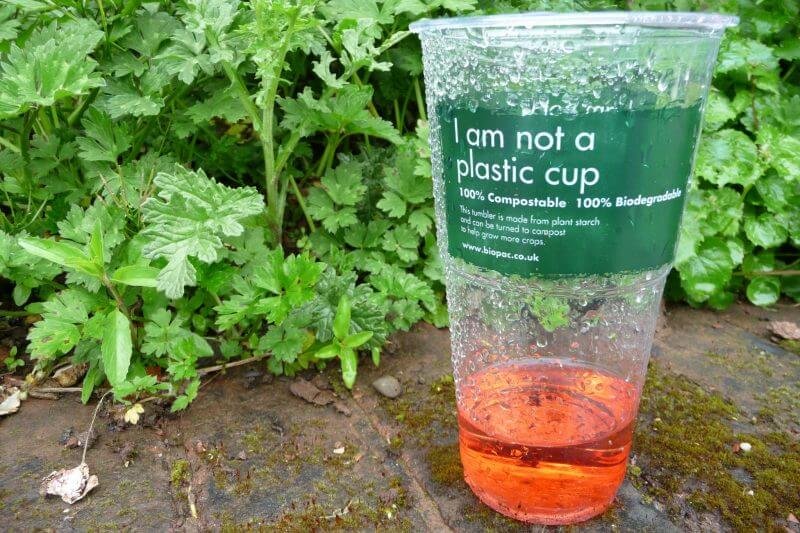
The experiments with biodegradable plastics led to surprising results. In one, the adverse effects of biodegradable plastics were greater than those of conventional plastics. In another, that ran over a lengthier period, the opposite was true. This suggests that biodegradable plastics cause stress to crops when they dissolve and release chemicals during that process. Conventional plastics never fully degrade and have a longer-lasting effect.
During her PhD, the Leiden researcher conducted three types of experiments. In the first, the so-called hydroponic experiments, she let seeds germinate and grow in water contaminated with plastic particles. ‘But that’s not very realistic’, Zantis says. Real plants grow in soil, and the plastic particles they encounter are not perfect spheres like those used in the laboratory.
That’s why she tried to mimic a more natural situation in the second and third type of experiments. First, she grew seeds in small soil pots for about three weeks. During a third experiment, plants grew in even more realistic conditions, with earthworms and springtails (a type of insect), for three months.

The reduced nutritional value could ultimately impact consumers
Concern about the impact on consumers
When Zantis began her PhD, she was surprised at how little research had been done on micro- and nanoplastics in soil. Most studies focused on plastics in water bodies like rivers and seas. ‘Soil is more complex’, the PhD researcher admits. Unlike water, soil is filled with organic matter, minerals, and living organisms. But soil is highly relevant because it’s where much of our food originates. Moreover, plastics are widely used in agriculture, for example in foils. These may end up in the soil.
The research raises new questions about how crop stress caused by plastics could affect human health. Stressed plants may produce less fruit, or fruit of lower quality. ‘The reduced nutritional value could ultimately impact consumers’, Zantis says.
There is also the concern about plastic particles themselves entering our bodies, either through crops or by other means. Based on a study with snails, it appears that most plastic particles are excreted. ‘But the chemicals may remain within us’, Zantis warns. ‘They might affect the signaling functions of cells in our bodies.’
A version of this article was originally posted at Leiden University and is reposted here with permission. Any reposting shouldcredit both the GLP and original article. Find Leiden University on X @UniLeidenNews