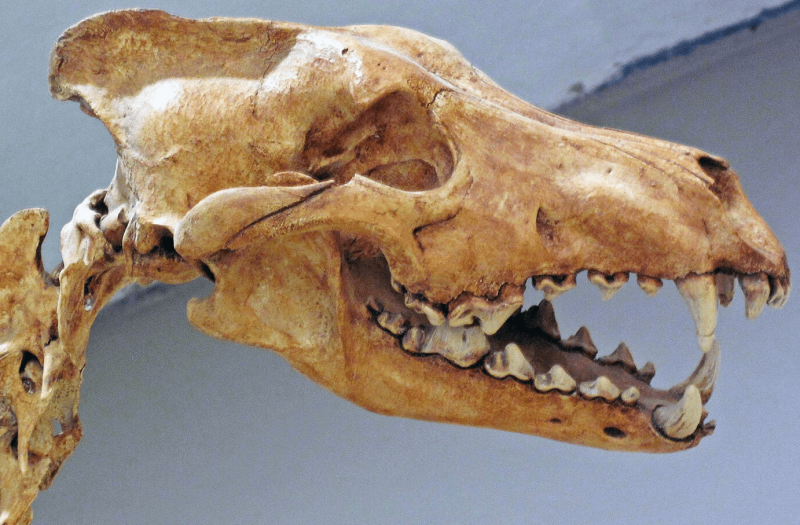

Similar to the way NASA’s effort to launch humans into space once triggered a frenzy of technological advances in areas like energy production and materials science, Colossal bills its de-extinction work as a starting point for waves of adjacent innovations. And while its research is focused on animals, Colossal aims to break ground in areas that could impact human health.
While investors have flocked to Colossal’s mission and ambitious goals, the company also has gotten heat from scientists over the ethics of tinkering with lost species and whether its modified animals can even be considered “de-extinct.”
But Colossal is charging ahead with promises to replicate its dire wolf success with dodo birds and the woolly mammoth, among others. Along the way, more is being revealed about what its research could mean for human health.
…




Overall, with each de-extinction process, [CEO Ben Lamm] said Colossal is building a dataset of the genome for different animals that could lend itself to scientific research into a range of healthcare challenges.