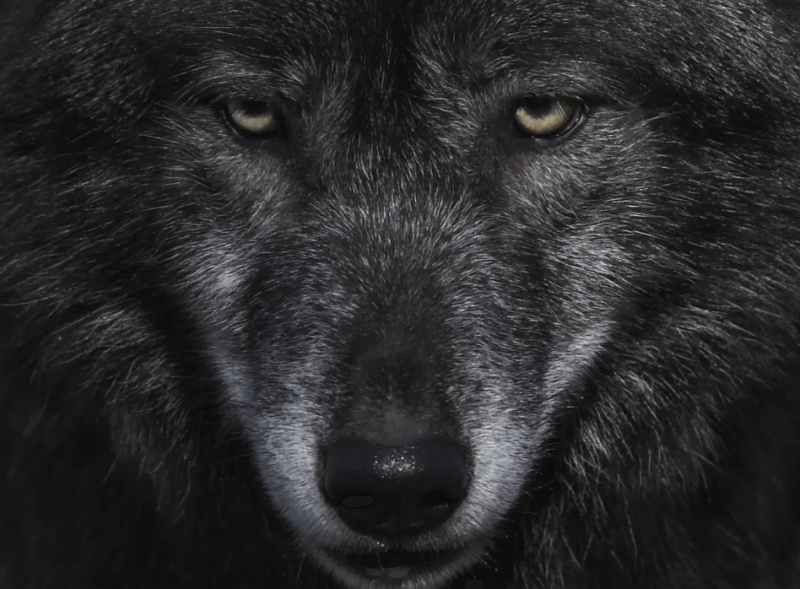

When Colossal unveiled its interpretation of the dire wolf in April, the news made international headlines. Enthusiastic profiles in Time magazine and the New Yorker declared “the dire wolf is back”.
…
But the announcements have been met by far less excitement among scientists. Shortly after the dire wolf announcement, and to much less fanfare, a group of the world’s leading experts on canids concluded that the company had not really resurrected the species.
Rather, they had made 20 edits to the DNA of grey wolves, and the resulting animals did not substantially differ from those that now roamed North America …
“Colossal’s attempts are genetically engineered poor copies at best, passed off as the real deal,” [said Nic Rawlence, director of the palaeogenetics laboratory at the University of Otago].
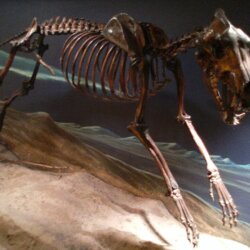
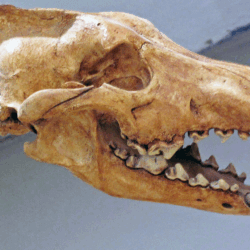



Even Colossal’s harshest critics recognise the potential of gene editing to save species caught in genetic bottlenecks. Many wildlife populations have become dangerously inbred as their numbers dwindle, and Colossal is working to reintroduce genetic diversity back into populations, such as the critically endangered red wolf in North America, by reintroducing lost genes from museum specimens.