Europe’s small step to unwind its science-free precautionism of crop biotech

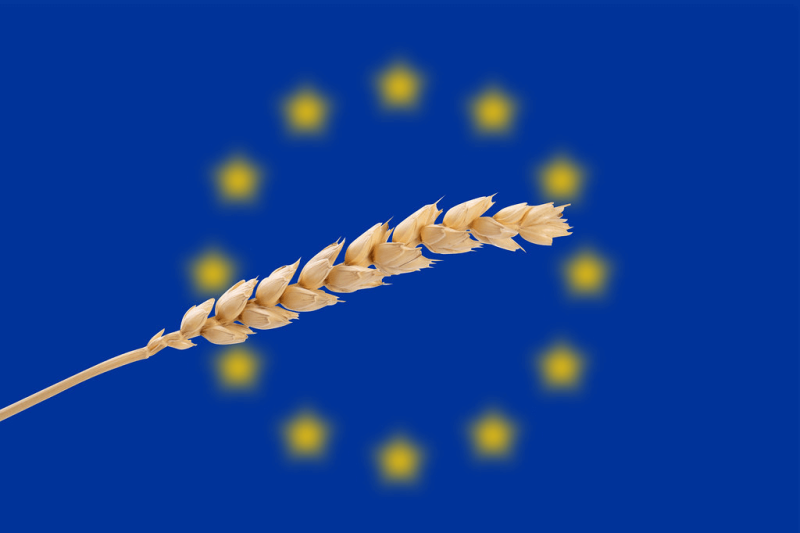
Credit: Jernej Furman/Flickr (CC BY 2.0)

Theย European Union recently agreed to ease restrictions on new genomic techniques (NGTs) for food, in the most significant change to Europeโ€™s stringent regulatory approach to crop biotechnology in two decades. Following Europeโ€™s broader deregulatory push since 2024, its latest action falls short of a full normalization of genetically engineered organisms (GEOs) in the European food system. But it is an important break from the precautionary reflex that has long shaped EU policy.

Follow the latest news and policy debates on sustainable agriculture, biomedicine, and other ‘disruptive’ innovations. Subscribe to our newsletter.

The European Unionโ€™s [new] regulatory framework distinguishes between two tiers: 1) gene-edited plants that closely resemble conventionally bred varieties, and 2) those with more complex modifications, with the former facing lighter regulatory processes and the latter retaining stricter oversight. Accordingly, food crops falling in the first category will be regulated as conventional agricultural products rather than as GMOs. This shift will make it easier for researchers and farmers to develop and plant more climate- and pest-resilient and nutrient-rich foods while maintaining stricter rules around GMOs.

This is an excerpt. Read the original post here

{{ reviewsTotal }}{{ options.labels.singularReviewCountLabel }}
{{ reviewsTotal }}{{ options.labels.pluralReviewCountLabel }}
{{ options.labels.newReviewButton }}
{{ userData.canReview.message }}

Related Articles

Infographic: Global regulatory and health research agencies on whether glyphosate causes cancer

Infographic: Global regulatory and health research agencies on whether glyphosate causes cancer

Does glyphosateโ€”the world's most heavily-used herbicideโ€”pose serious harm to humans? Is it carcinogenic? Those issues are of both legal and ...

Most Popular

Screenshot-2026-04-22-at-12.21.32-PM
Viewpoint: Why the retracted Monsanto glyphosate study doesnโ€™t change the scienceโ€”the worldโ€™s most popular herbicide is safeย 
Picture1
The FDA couldnโ€™t find a vaccine safety crisis, so it buried its own research
ChatGPT-Image-May-1-2026-11_42_59-AM-2
Viewpoint: NAD is the wellness grifters latest evidence-lite longevity fad. At least the mice are impressed.
global warming
โ€˜Implausibleโ€™: Top climate scientists reject worst-case scenarioโ€”soaring temperatures and fast-rising sea levels
Screenshot-2026-05-21-at-12.15.17-PM
UK gene-editing milestone: Livestock barley that increases ruminant value and reduces methane emissions is first-approved CRISPR crop
vax-misinformation-main
Facts & Fallacies Podcast: Limit free speech to blunt social media misinfo?
ChatGPT-Image-Apr-16-2026-02_56_53-PM
Financial incentives, over diagnosis, and weak oversight: Autism claims are driving up Medicare costs
Screenshot-2026-05-21-at-3.15.53-PM
Chiropractors may no longer be modern-day snake oil salesmen, but the benefits of their therapy are limitedโ€“at best
ChatGPT-Image-May-12-2026-11_27_01-AM-2
AI likely to improve health care, research showsโ€”but not for blacks and ethnic minorities
Screenshot-2026-05-20-at-5.11.17-PM
Viewpoint: No, sugar doesnโ€™t โ€˜feedโ€™ cancer โ€” common cancer myths, debunked

Sorry. No data so far.

glp menu logo outlined

Get news on human & agricultural genetics and biotechnology delivered to your inbox.