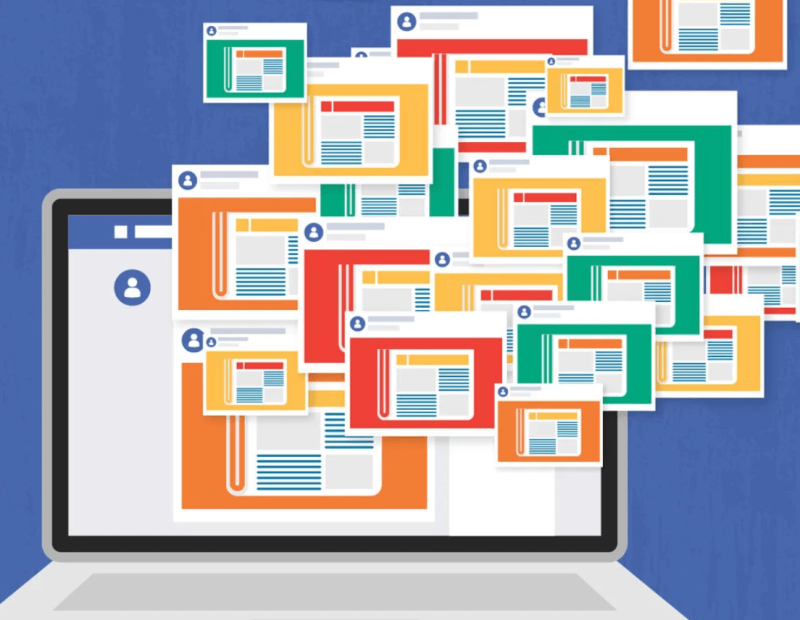

In an era defined by “fake news”, public trust in institutions is increasingly under threat, along with our ability to discern fact from fiction. …
In the European Media Literacy Index 2023, … [t]he country that topped the list was Finland – emerging as a global leader in countering “fake news”, including misinformation (false or misleading information) and disinformation (misinformation that is spread with the intention to deceive). …
The Finns are ahead of the curve in large part due to their proximity to a country known for its disinformation campaigns. Finland gained independence from Russia in 1917, and is on the front lines of an intensifying online information war. Many of Russia’s campaigns – often amplified by far-right, nationalist and so-called “alternative” Finnish news outlets and social media accounts – aim to undermine the EU, stir controversy over immigration and shape the debate around Finland’s Nato membership. In response, Finland treats resistance to disinformation almost as a form of civil defence: an integral part of its broader security strategy.
In 2014, before the European Parliament election, the Finnish government launched anti-fake news initiatives aimed at politicians and journalists, and established the fact-checking and digital literacy service Faktabaari (“Fact Bar”) …. More recently, Finnish NGOs have begun to run programmes for vulnerable groups, such as senior citizens and newly-arrived immigrants, to help them recognise disinformation.
But perhaps most importantly, Finland has privileged early intervention, through focusing on its schools. Media education in Finland begins as early as primary school, with media and science literacy integrated into the curriculum.


…
If Finland can teach us anything, it’s that media literacy shouldn’t just be a side topic, but treated as civic infrastructure. In the UK and US, misinformation is often aligned to deeper social fractures. It’s not that British or American people are less clever than our Finnish peers. It’s just that the scaffolding around how we process information – the cultural, educational and emotional tools – isn’t nearly as strong.