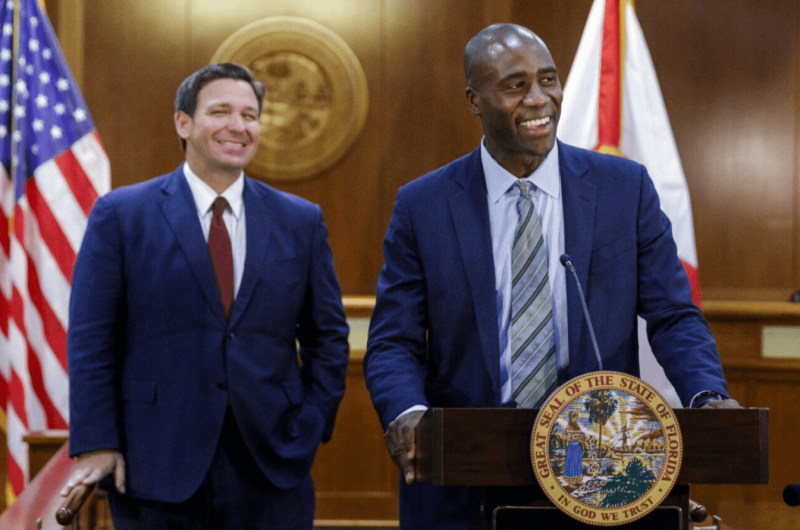
Panic erupted in Florida earlier this month after surgeon general Dr. Joseph Ladapo held a press conference launching the state’s Healthy Florida First Initiative. The headline-grabbing takeaway from the event was that several popular foods were “contaminated” by the weedkiller glyphopsate (active ingredient in Roundup) and a list of toxic heavy metals. The allegedly tainted products included a variety of breads, candies and baby foods, and the message to consumers—especially parents—was clear: your family is in danger.
The problem? Nearly all the information presented during the press conference was false or lacking critically important context. As Jon Entine and Dr. Kevin Folta explained in a detailed analysis of Florida’s claims for the Science Literacy Project:
Here’s the sad science reality: The state’s claims are scientifically ridiculous, and the campaign will end up harming, rather than improving, public awareness and health. Public officials are using the kind of stark, list-driven hysteria messaging more commonly associated with advocacy campaigns and multi-district litigation rather than education-focused health agencies.
What exactly was wrong with Ladapo’s contamination claims? They violated toxicology’s fundamental principle: the dose makes the poison. It’s certainly true that sufficiently high exposure to a lead, for instance, can be very dangerous. However, as a natural element, lead is found in small quantities all over the planet—including in the soil where we grow grains that become bread and baby food. Something similar is true of glyphosate: in the trace amounts detected in our food, the weedkiller has no effect on human health. Farmers use it to control weeds, and that’s where its impacts on the food supply cease.
Join GLP founder Jon Entine and longtime contributors Liza Dunn and Cameron English for an in-depth break down of Florida’s spurious chemical scare campaign. Follow this link or listen to the conversation below:


— Liza Lockwood (@DrLizaMD) February 12, 2026
Dr. Liza Dunn is a medical toxicologist and the medical affairs lead at Bayer Crop Science. Follow her on X @DrLizaMD
Jon Entine, founder and executive director of the Genetic Literacy Project, is an Emmy-winning investigative TV News producer and author of seven books, including three on genetics. Please follow him on X at @JonEntine
Cameron J. English is the director of bio-sciences at the American Council on Science and Health. Visit his website and follow him on X @camjenglish