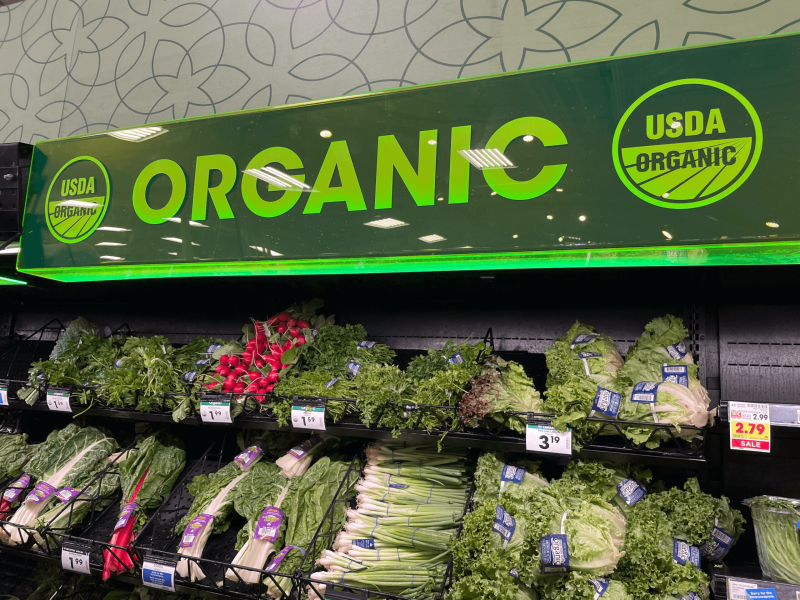
Even credentialed scientists are susceptible to the pressures of social media virality, sometimes venturing well beyond their expertise to promote popular but misleading health narratives. Last week, Dr. Rhonda Patrick of FoundMyFitness, typically a reliable source of science-backed info on nutrition, urged the public to switch to organic food to cut their pesticide exposure. With over 1.4 million followers, Patrick’s message amplified a widespread fear but ignored critical scientific context.
The simple, oft-overlooked truth is that pesticide residues in both conventional and organic foods occur at trace levels that regulatory science deems safe. Maximum residue limits (MRLs) and allowable daily intakes (ADIs) incorporate large safety factors—often 10- to 1,000-fold—below doses showing no adverse effects in rigorous toxicology testing. Consumers quite literally can’t ingest enough produce to approach these strict thresholds.
Organic production also uses pesticides, including some with higher toxicity profiles than their modern synthetic counterparts—which also help prevent far more dangerous natural contaminants like aflatoxin-producing molds, a major global cause of liver cancer.
Like many influencers before her, Patrick relied on observational studies and high-dose animal experiments to bolster her advice. These papers are frequently cited in anti-pesticide discussions, though they bear little relevance to typical dietary exposures. Likewise, detection of pesticide metabolites in urine reflects normal liver and kidney function, not toxicity.
Even among professional applicators exposed at much higher levels under strict protocols and personal protective equipment, cancer rates are often lower than the public’s very low risk—likely due to healthier lifestyles and greater fruit and vegetable consumption.
The problem with Patrick’s well-meaning but misinformed messaging is that it risks discouraging intake of nutritious produce, an actual public health priority. While organic food serves as a valid personal or local choice for those who prefer it, the evidence does not demonstrate meaningful safety advantages against conventionally grown food.
Modern agricultural tools enable abundant, affordable food supplies that have dramatically improved food security compared to historical organic practices. That’s a critical message more people need to hear.




Join Dr. Liza Lockwood and Cam English on this episode of Facts & Fallacies as they take on a pesticide myth even some scientists fall for:
Podcast: Play in new window | Download
Subscribe: RSS
Dr. Liza Lockwood is a medical toxicologist and the medical affairs lead at Bayer Crop Science. Follow her on X @DrLizaMD
Cameron J. English is the executive vice president at the American Council on Science and Health. Follow him on X @camjenglish