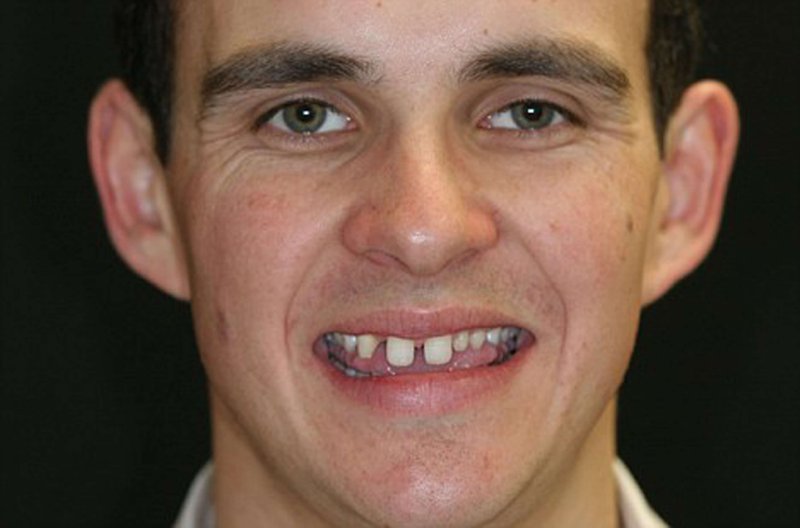
Inherited genetic mutations can rob up to 7 percent of the population of their smile. Several genes are important for the placement and patterning of teeth. These mutations prevent tooth formation, requiring patients to endure numerous and expensive surgeries, implants, and orthodontics to strengthen bone and replace missing teeth. Rena D’Souza, D.D.S., Ph.D., Professor of Dentistry at the University of Utah Health received a grant from the National Institutes of Health (NIH) to build on her past research to characterize the genetics that prevent tooth formation and develop therapies to reverse this process.
…
D’Souza and her team plan to define the relationship between PAX9, a gene that she previously linked to tooth development, and the WNT pathway, a family of proteins that pass signals in cells responsible for normal tooth development.
“I believe the mutated PAX9 gene leads to dysfunction in the WNT10A pathway and this causes a cascade of imbalances preventing teeth from forming,” she said.
These discoveries could lead to new therapies that reestablish the normal interaction between the gene and the pathway to restore tooth development.

…
The research team will conduct this work using a mouse model. Any potential therapies identified during this grant would require additional study before it could be assessed in people.
The GLP aggregated and excerpted this blog/article to reflect the diversity of news, opinion, and analysis. Read full, original post: Reversing a genetic mutation to restore your smile