
National Geographic confesses to history of ‘racist’ coverage in special issue

nat geo

National Geographicย strives to deepen our understanding of the world and our role in it. Itโ€™s difficult to understand 21st-century America without exploring the issue of race. Itโ€™s the elephant in the room, permeating every aspect of our culture, neighborhoods, schools, businesses, politics, sports, arts, and relationships.
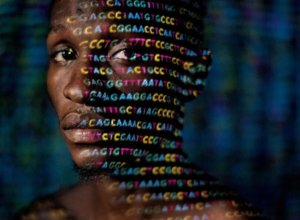
genetics code projected face african man crop adaptWhile science tells us thatย there is no such thing as race, society uses racial distinctionsย to divide us.ย Throughout history, groups of people have classified those who were different from them as the โ€œother.โ€ย On the eve of the 50th anniversary of the assassination of civil rights leaderย Rev. Martin Luther King, Jr., we decided to look deeply into these issues with a distinctย National Geographicย lens. Our stories reflect a view that is global, scientific, and cultural.

Editor Susan Goldberg writes aboutย National Geographicโ€™s complicated history in an essay, โ€œFor Decades,ย National Geographicโ€™s Coverage Was Racist. Itโ€™s Time We Acknowledged It.โ€

“It hurts to share the appalling stories from the magazineโ€™s past,โ€ she writes. “But itโ€™s important to examine our own history before reporting on others.”

Science defines you by your DNA. Society defines you by the color of your skin. Usingย #IDefineMe, we want people to share their stories with us. We hope to spark a global conversation about how race defines, separates, and unites us.

Read full, original post: Why Weโ€™re Devoting an Entire Issue of National Geographic to Race

{{ reviewsTotal }}{{ options.labels.singularReviewCountLabel }}
{{ reviewsTotal }}{{ options.labels.pluralReviewCountLabel }}
{{ options.labels.newReviewButton }}
{{ userData.canReview.message }}

Related Articles

Infographic: Global regulatory and health research agencies on whether glyphosate causes cancer

Infographic: Global regulatory and health research agencies on whether glyphosate causes cancer

Does glyphosateโ€”the world's most heavily-used herbicideโ€”pose serious harm to humans? Is it carcinogenic? Those issues are of both legal and ...

Most Popular

ChatGPT-Image-May-7-2026-12_32_36-PM
Viewpoint: The state of U.S. vaccine policy? Dismal nationally, but some states are stepping up.
Screenshot-2026-04-13-at-1.39.26-PM
Viewpoint: โ€˜Safer for children?โ€™ Stonyfield yogurt under fire for deceptive organic marketing
Screenshot-2026-04-22-at-10.46.29-AM
Viewpoint: How to counter science disinformation? Science journalist offers 12 practical tips

ChatGPT-Image-May-7-2026-12_16_37-PM-2
Viewpoint: Are cancer rates โ€˜skyrocketingโ€™ as RFK, Jr. and MAHA claim? The evidence says mostly the opposite
ChatGPT-Image-May-7-2026-01_23_27-PM-2
Viewpoint: Will AI democratize personalized cancer treatment or fuel medical misinformation?
Defense_Secretary_Ash_Carter_tours_the_Microsoft_Cybercrime_Center_in_Seattle_March_3_2016
How criminals are using AI to target social media users and steal their money and confidential data
the magic of mRNA
Viewpoint: Anti-vax fake โ€˜turbo cancerโ€™ claims threaten cancer treatment breakthroughs
ChatGPT-Image-May-12-2026-08_39_41-PM
GLP podcast: Big Pharma, Big Ag, Big Foodโ€”health harming industries or life-saving innovators?
artificial intelligence brain think illustration md
Viewpoint โ€” Digital gods and human extinction: Will we be the first species ever to design our own descendants?
Screenshot-2026-04-23-at-11.00.36-AM
Regulators' dilemma: Thalidomide, Metformin, and the cost of getting drug approvals wrong
Picture1-1
Cooling the planet with balloons: Could a geoengineering gamble slow global warming?
Picture1-14
When superbugs threaten vulnerable children: Can AI help solve antibiotic resistance?
RFKjr-Tech-Vax-Misinfo
As U.S. officials spread medical misinformation, scientists fact check online
glp menu logo outlined

Get news on human & agricultural genetics and biotechnology delivered to your inbox.