
Fighting disease with genetically modified bacteria

bacteria
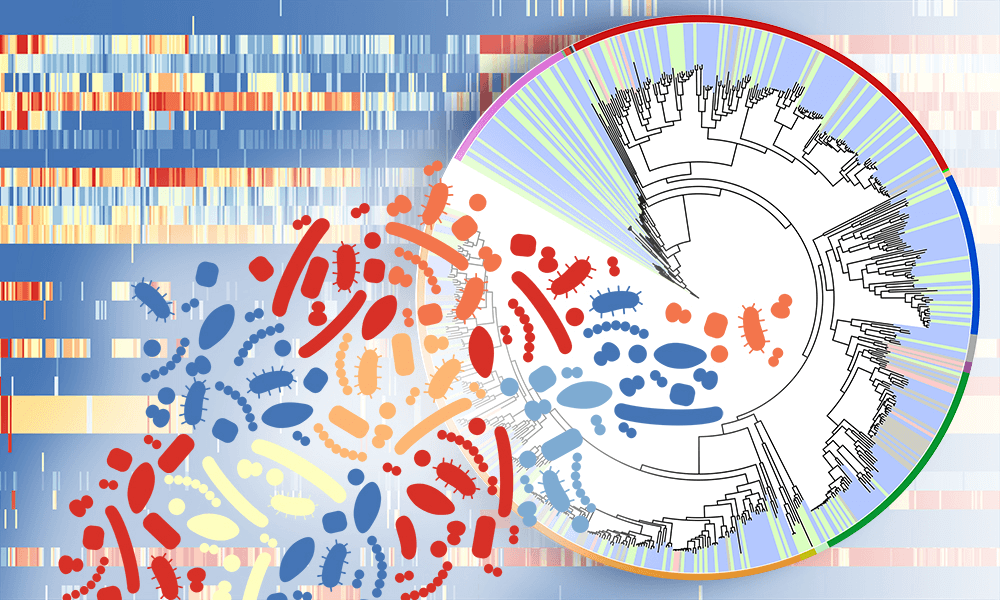
The Escherichia coli bacteria is being developed as a vehicle for gene therapy. Image credit: Fernan Federici and Jim Haseloff/Wellcome Coll.

Several companies are testing whether engineered bacteria can treat conditions that affect the brain, liver and other organs — and even kill other, harmful microbes. But although US regulators have approved trials of several types of engineered bacteria as a form of gene therapy, questions remain about whether microbes’ ability to share DNA with one another will create long-term safety risks.

Matthew Chang, a synthetic biologist at the National University of Singapore, says that genetically modified bacteria have the potential to treat many types of disease. His group is engineering the gut bacteria Escherichia coli and Lactobacillus to recognize and destroy harmful microbes1.

In April, Synlogic began a trial of engineered E. coli that make enzymes to clear the toxic build-up of ammonia in the blood of people with metabolic liver diseases.

Another firm, Intrexon of Germantown, Maryland, has altered Lactococcus lactis, a bacterium used in cheese production, to make a protein that protects the outer layers of the skin. One ongoing clinical trial that has enrolled about 200 people with cancer is testing whether an L. lactis mouthwash can prevent oral sores.

Challenges remain before these engineered bacteria can enter the market. Scientists need a better understanding of how the bacteria interact with the body, [Synlogic executive Aoife] Brennan says, because their effects are less straightforward than those of drugs.

Read full, original post: Genetically modified bacteria enlisted in fight against disease

{{ reviewsTotal }}{{ options.labels.singularReviewCountLabel }}
{{ reviewsTotal }}{{ options.labels.pluralReviewCountLabel }}
{{ options.labels.newReviewButton }}
{{ userData.canReview.message }}

Related Articles

Infographic: Global regulatory and health research agencies on whether glyphosate causes cancer

Infographic: Global regulatory and health research agencies on whether glyphosate causes cancer

Does glyphosate—the world's most heavily-used herbicide—pose serious harm to humans? Is it carcinogenic? Those issues are of both legal and ...

Most Popular

Screenshot-2026-04-22-at-12.21.32-PM
Viewpoint: Why the retracted Monsanto glyphosate study doesn’t change the science—the world’s most popular herbicide is safe 
Picture1
The FDA couldn’t find a vaccine safety crisis, so it buried its own research
ChatGPT-Image-May-1-2026-11_42_59-AM-2
Viewpoint: NAD is the wellness grifters latest evidence-lite longevity fad. At least the mice are impressed.
ChatGPT-Image-Apr-16-2026-02_56_53-PM
Financial incentives, over diagnosis, and weak oversight: Autism claims are driving up Medicare costs
ChatGPT-Image-May-12-2026-11_27_01-AM-2
AI likely to improve health care, research shows—but not for blacks and ethnic minorities
ChatGPT-Image-May-7-2026-01_23_27-PM-2
Viewpoint: Will AI democratize personalized cancer treatment or fuel medical misinformation?

Sorry. No data so far.

glp menu logo outlined

Get news on human & agricultural genetics and biotechnology delivered to your inbox.