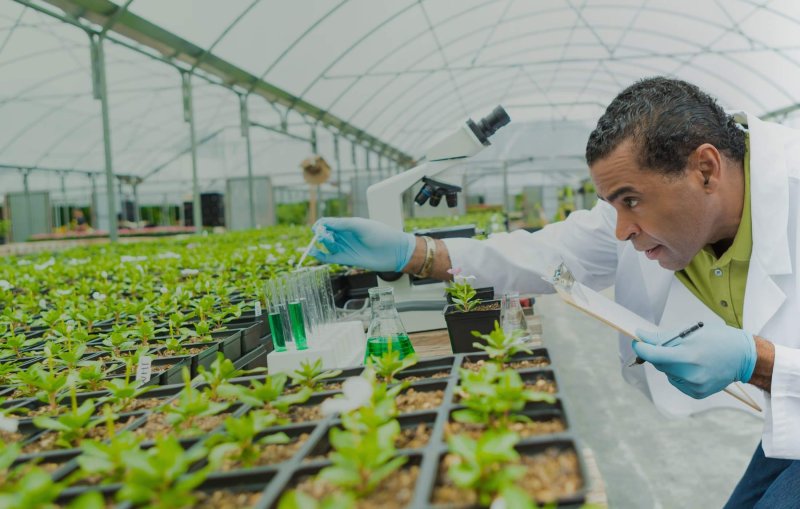
With regulation bottlenecks surrounding biotechnology, how do gene-edited crops get from the lab to the farm?

plant

Restrictive regulation of genome-edited crops could limit the future impact of these crops on agriculture. Globally, genome-edited crops are currently regulated with either process-based or product-based approaches, although in some countries the regulatory concepts remain unclear. Process-based regulations focus on the biotechnological processes that are used to alter crop DNA. Conversely, the product-based approach regulates the resulting crop plant and its traits, not the breeding process used to create it.

Most crop biotechnology regulatory frameworks were developed or updated to regulate genetically modified organisms (GMOs). GMOs include exogenous DNA that would rarely be present through natural processes. This use of exogenous DNA has raised public and environmental health concerns, resulting in strict regulations in many countries. Many genome-editing approaches do not, however, lead to the presence of exogenous DNA in the final plant product. Indeed, genome editing …. avoids the introduction of any exogenous DNA during the breeding process.

Concerns held by the public can put pressure on government bodies to restrict the application of agricultural biotechnology and to limit scientific innovation. Therefore, scientists, the media, and regulatory bodies should place emphasis on engaging the public in factual discussions regarding the safety of genome-editing. Genome-edited crops could increase consumer acceptance of biotechnology in agriculture because of the lack of transgenes, which are the public’s primary concern.

Read full, original article: Bottlenecks for genome-edited crops on the road from lab to farm

{{ reviewsTotal }}{{ options.labels.singularReviewCountLabel }}
{{ reviewsTotal }}{{ options.labels.pluralReviewCountLabel }}
{{ options.labels.newReviewButton }}
{{ userData.canReview.message }}

Related Articles

Infographic: Global regulatory and health research agencies on whether glyphosate causes cancer

Infographic: Global regulatory and health research agencies on whether glyphosate causes cancer

Does glyphosate—the world's most heavily-used herbicide—pose serious harm to humans? Is it carcinogenic? Those issues are of both legal and ...

Most Popular

Picture1
The FDA couldn’t find a vaccine safety crisis, so it buried its own research
Screenshot-2026-04-22-at-12.21.32-PM
Viewpoint: Why the retracted Monsanto glyphosate study doesn’t change the science—the world’s most popular herbicide is safe 
Screenshot-2026-05-19-at-11.23.34-AM
West-originated vaccine disinformation sparks murders of health care workers across Africa
Screenshot-2026-05-08-at-11.55.47-AM
Anti-vax activists falsely blame COVID vaccines for the rising U.S. cancer rate among younger people.
ChatGPT-Image-Apr-16-2026-02_56_53-PM
Financial incentives, over diagnosis, and weak oversight: Autism claims are driving up Medicare costs
ChatGPT-Image-May-7-2026-12_32_36-PM
Viewpoint: The state of U.S. vaccine policy? Dismal nationally, but some states are stepping up.
ChatGPT-Image-May-12-2026-11_27_01-AM-2
AI likely to improve health care, research shows—but not for blacks and ethnic minorities
modi visit sikkim
Viewpoint: Indian PM wants farmers to switch to 50% organic. It would take at least 10 years, likely won’t work, and isn’t more sustainable
Screenshot-2026-04-13-at-1.39.26-PM
Viewpoint: ‘Safer for children?’ Stonyfield yogurt under fire for deceptive organic marketing
Screenshot-2026-05-18-at-12.57.12-PM
Viewpoint—‘Technology is pulling us apart’: Environmental, political, and economic
glp menu logo outlined

Get news on human & agricultural genetics and biotechnology delivered to your inbox.