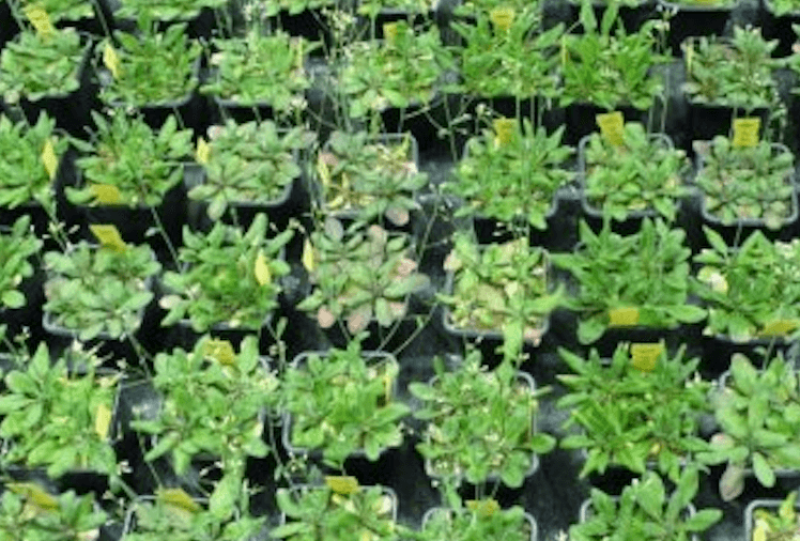
Identifying genetic basis for plant biodiversity could help boost crop yields

Screen Shot at PM
Image Credit: University of Zurich

Diverse communities of plants and animals typically perform better than monocultures. However, the mechanisms that are responsible for this have so far been a mystery to science. Biologists [from the University of Zurich] have now been able to identify the genetic cause of these effects. Their findings might help to improve crop yields.

…

[M]odern agricultural practice mainly relies on plant varieties that are genetically uniform …. The benefits of diverse communities therefore remain untapped, also because the underlying mechanisms are not yet fully understood.

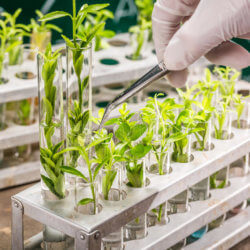
[R]esearchers addressed this question by [focusing] on common wallcress …. a small crucifer that is genetically well documented. They used systematic crosses of varieties of these plants, which were grown in pots in different combinations. After a few weeks, the researchers weighed the resulting biomass, which allowed them to compare the growth of the plants. As expected, pots with mixtures of different crosses were indeed more productive on average.

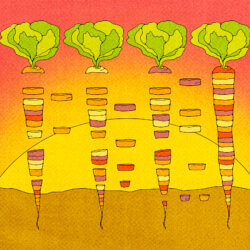
[T]he researchers then related the yield gain in mixed communities to the genetic makeup of the crosses. The genetic map they obtained in this way enabled them to identify the parts of the genome that made the combination of plants good mixed teams.
…

[Their method may help to breed plants that are good team players and thus yield more crops. “Our insights open up completely new avenues in agriculture,” adds [Samuel Wüst, main author of the study].

Read full, original article: Small genetic differences turn plants into better teams

Related Articles

Infographic: Global regulatory and health research agencies on whether glyphosate causes cancer

Infographic: Global regulatory and health research agencies on whether glyphosate causes cancer

Does glyphosate—the world's most heavily-used herbicide—pose serious harm to humans? Is it carcinogenic? Those issues are of both legal and ...

Most Popular

Screenshot-2026-11-16-at-2.37.32-PM
30 years of GMO farming: Is the boom in glyphosate and glufosinate use harming the environment? Data show they’re the most sustainable choice
ChatGPT-Image-Mar-10-2026-01_39_01-PM
Viewpoint—“Miracle molecule” debunked: Why acemannan supplements don’t work
Stormlit Portrait Over Golden Mountains
Searching for life where no one thought to look: A renowned astrophysicist’s seemingly quixotic quest to explore Venus’s clouds
Screenshot-2026-11-19-at-7.23.23-PM
Viewpoint: After a yearlong hiatus, the U.S. Preventive Services Task Force is back in business—gutted by RFK Jr. and promoting junk science
Soybean Harvest in Cupped Hands
30 years of GMO farming: Defying cynics, we’ve had larger harvests, lower costs, and $385 billion in added global farmer income
Screenshot-2026-11-17-at-12.18.09-PM
Challenging glyphosate fear-mongering: Statewide Nebraska study finds no link between weedkiller use and non-Hodgkin lymphoma
Screenshot-2026-11-19-at-7.54.57-PM
European General Court sides with scientists, dismisses activist claims that glyphosate is toxically dangerous
Nurturing Care Beneath the Crunchy Moms Logo
Crunchy Moms disinformation flood: Zuckerberg's Facebook has opened floodgates on measles and vaccines
glp menu logo outlined

Get news on human & agricultural genetics and biotechnology delivered to your inbox.