Fears that China has used prisoners’ organs for transplants prompts call for retraction of more than 400 scientific papers

2-7-2019 organ donation rates rise transplant sector fights to keep up
Image credit: Cate Swanell/Insight

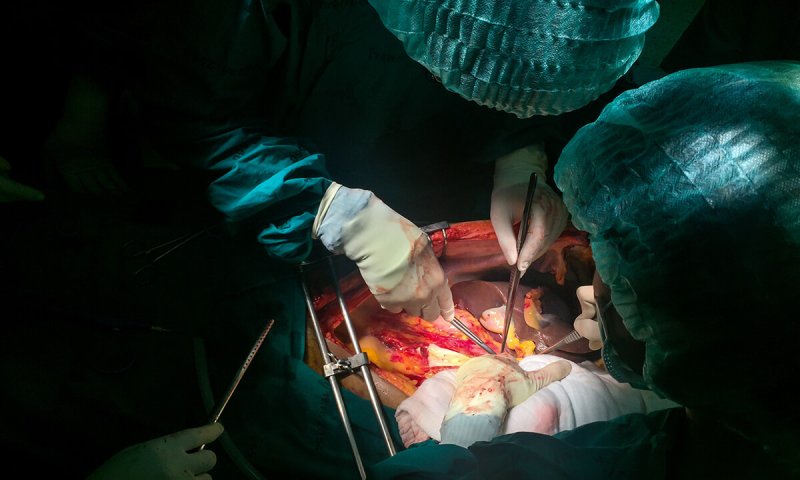
A world-first study has called for the mass retraction of more than 400 scientific papers on organ transplantation, amid fears the organs were obtained unethically from Chinese prisoners.

The Australian-led study exposes a mass failure of English language medical journals to comply with international ethical standards in place to ensure organ donors provide consent for transplantation.

The study was published [January 30] in the medical journal BMJ Open. Its author, the professor of clinical ethics Wendy Rogers, said journals, researchers and clinicians who used the research were complicit in โ€œbarbaricโ€ methods of organ procurement.

โ€ฆ

While the government says 10,000 transplants occur each year, hospital data shows between 60,000 to 100,000 organs are transplanted each year. The report provides evidence that this gap is being made up by executed prisoners of conscience.

In 2017 the European parliament passed aย declarationย condemning organ harvesting from prisoners of conscience, and called on Chinese officials to end it.

The 445 studies they identified involved 85,477 transplants. But 99% of those studies failed to report whether organ donors had given consent for transplantation.

โ€ฆ

It is the first time a study has tracked the progress of the transplant community in blocking unethical research.

Read full, original post:ย Call for retraction of 400 scientific papers amid fears organs came from Chinese prisoners

{{ reviewsTotal }}{{ options.labels.singularReviewCountLabel }}
{{ reviewsTotal }}{{ options.labels.pluralReviewCountLabel }}
{{ options.labels.newReviewButton }}
{{ userData.canReview.message }}

Related Articles

Infographic: Global regulatory and health research agencies on whether glyphosate causes cancer

Infographic: Global regulatory and health research agencies on whether glyphosate causes cancer

Does glyphosateโ€”the world's most heavily-used herbicideโ€”pose serious harm to humans? Is it carcinogenic? Those issues are of both legal and ...

Most Popular

ChatGPT-Image-May-7-2026-12_32_36-PM
Viewpoint: The state of U.S. vaccine policy? Dismal nationally, but some states are stepping up.
Screenshot-2026-04-22-at-10.46.29-AM
Viewpoint: How to counter science disinformation? Science journalist offers 12 practical tips
Screenshot-2026-04-13-at-1.39.26-PM
Viewpoint: โ€˜Safer for children?โ€™ Stonyfield yogurt under fire for deceptive organic marketing
the magic of mRNA
Viewpoint: Anti-vax fake โ€˜turbo cancerโ€™ claims threaten cancer treatment breakthroughs
ChatGPT-Image-May-7-2026-12_16_37-PM-2
Viewpoint: Are cancer rates โ€˜skyrocketingโ€™ as RFK, Jr. and MAHA claim? The evidence says mostly the opposite
Picture1-1
Cooling the planet with balloons: Could a geoengineering gamble slow global warming?
artificial intelligence brain think illustration md
Viewpoint โ€” Digital gods and human extinction: Will we be the first species ever to design our own descendants?
ChatGPT-Image-May-7-2026-01_23_27-PM-2
Viewpoint: Will AI democratize personalized cancer treatment or fuel medical misinformation?
Defense_Secretary_Ash_Carter_tours_the_Microsoft_Cybercrime_Center_in_Seattle_March_3_2016
How criminals are using AI to target social media users and steal their money and confidential data
Screenshot-2026-04-23-at-11.00.36-AM
Regulators' dilemma: Thalidomide, Metformin, and the cost of getting drug approvals wrong
Picture1-14
When superbugs threaten vulnerable children: Can AI help solve antibiotic resistance?
glp menu logo outlined

Get news on human & agricultural genetics and biotechnology delivered to your inbox.