


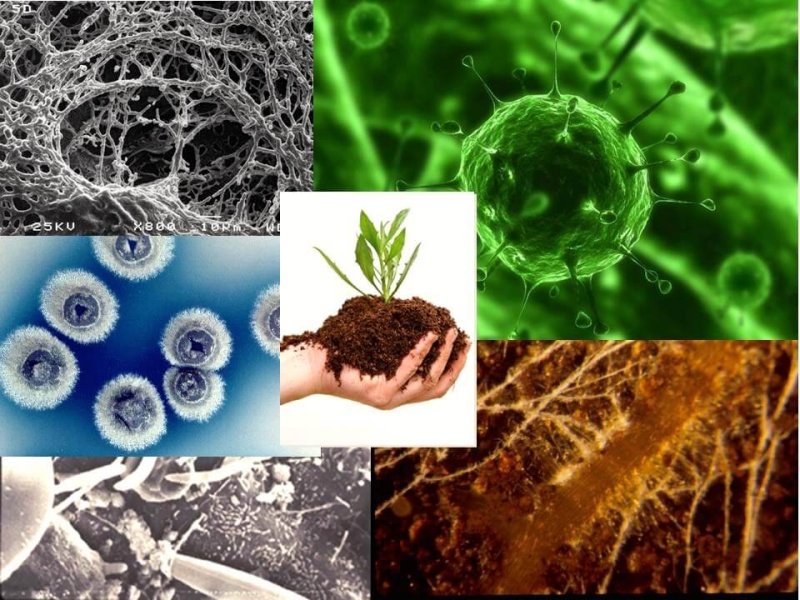

The root microbiota is critical for agricultural yield, with growth-promoting bacteria able to solubilize phosphate, produce plant growth hormones, antagonize pathogens and fix N2. Plants control the microorganisms in their immediate environment and this is at least in part through direct selection, the immune system, and interactions with other microorganisms. Considering the importance of the root microbiota for crop yields it is attractive to artificially regulate this environment to optimize agricultural productivity.
Towards this aim we express a synthetic pathway for the production of the rhizopine scyllo-inosamine in plants. We demonstrate the production of this bacterial derived signal in both Medicago truncatula and barley and show its perception by rhizosphere bacteria, containing bioluminescent and fluorescent biosensors. This study lays the groundwork for synthetic signalling networks between plants and bacteria, allowing the targeted regulation of bacterial gene expression in the rhizosphere for delivery of useful functions to plants.
[irp]The root microbiota, like the gut microbiota in human health, is critical for plant health and agricultural yield …. Plant growth-promoting bacteria can alter nutrient availability and antagonize pathogens. Perhaps, the most important plant–microbe interaction is between legume plants and symbiotic bacteria called rhizobia.
Natural transkingdom signalling between them is essential for the establishment of rhizobia in plant root organs called nodules. In root nodules rhizobia reduce atmospheric N2 to ammonia, producing a substantial proportion of the biosphere’s available nitrogen.

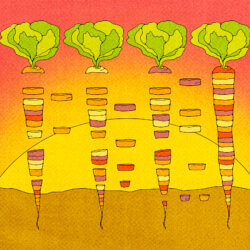


The root microbiota represents an enormous potential for improving crop yields by engineering the plant microbiome. Enhancing crop productivity in a sustainable manner may be achieved in several ways, including transfer of bacterial N2 fixation to cereals, harnessing bacterial phosphate solubilisation, promoting root growth by bacterial synthesis of plant hormones, or pathogen antagonism by antibiotic production. These plant growth-promoting services by bacteria could be regulated by engineering plants to produce a synthetic transkingdom signal to control bacteria on roots.
Read full, original article: Engineering transkingdom signalling in plants to control gene expression in rhizosphere bacteria





















