The woman who challenged 19th century conventional wisdom: Are females ‘biologically barred from success’?

unnamed

One of the first women to scientifically debunk men’s alleged superiority, [trailblazing psychologist Leta Stetter] Hollingworth’s research lent credibility to the burgeoning feminist movement in the early 20th century.

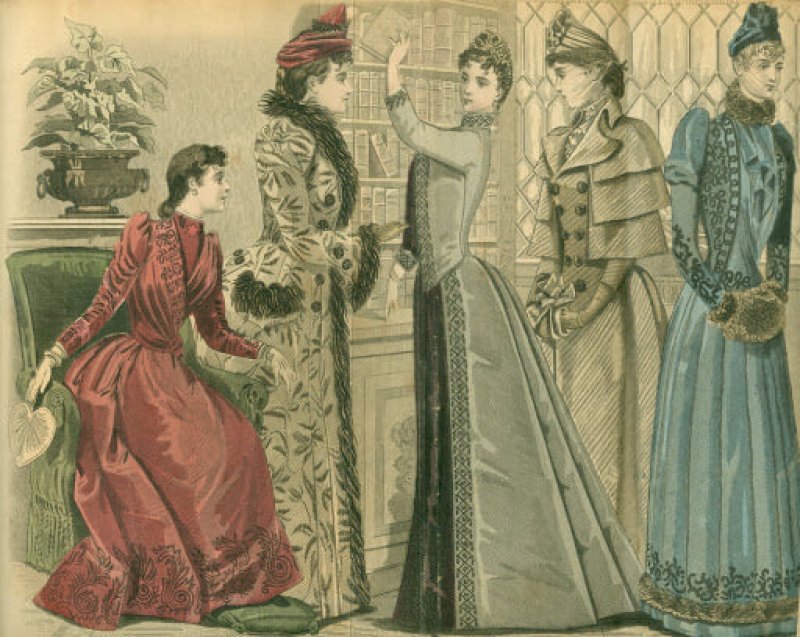
Hollingworth’s early experiments during her graduate work at Columbia University surely would have made her frontiersman father blush. For centuries, men had been mystified by menstrual cycles, claiming women weren’t fit for higher education or the workforce because they were too unstable for a week out of every month.screen shot at am
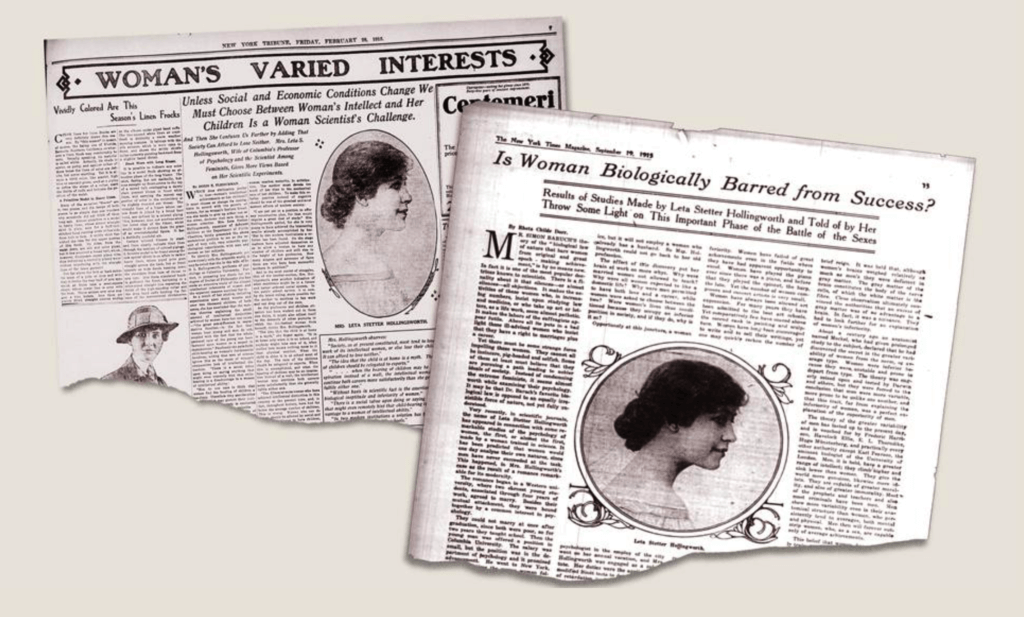
Even more pernicious, doctors had identified a physical condition, later deemed a mental illness, for women who became overly emotional—hysteria, whose root originates from the Greek word for uterus. And the diagnosis was serious, often leading to dubious treatments and, at worst, being institutionalized.

To disprove female fragility, Hollingworth conducted an extensive series of daily tests on six women and two men over several months, ranging from how fast they could tap a brass plate 400 times in a row to their skills with a typewriter. The result? Women performed equally well across all tasks, even during their periods.


Follow the latest news and policy debates on sustainable agriculture, biomedicine, and other ‘disruptive’ innovations. Subscribe to our newsletter.
[Hollingworth] hoped other female scientists would continue to experiment, so they could rewrite the “psychology of woman based on truth, not on opinion; on precise, not on anecdotal evidence; on accurate data rather than on remnants of magic.”

Read the original post

{{ reviewsTotal }}{{ options.labels.singularReviewCountLabel }}
{{ reviewsTotal }}{{ options.labels.pluralReviewCountLabel }}
{{ options.labels.newReviewButton }}
{{ userData.canReview.message }}

Related Articles

Infographic: Global regulatory and health research agencies on whether glyphosate causes cancer

Infographic: Global regulatory and health research agencies on whether glyphosate causes cancer

Does glyphosate—the world's most heavily-used herbicide—pose serious harm to humans? Is it carcinogenic? Those issues are of both legal and ...

Most Popular

Picture1
The FDA couldn’t find a vaccine safety crisis, so it buried its own research
Screenshot-2026-04-22-at-12.21.32-PM
Viewpoint: Why the retracted Monsanto glyphosate study doesn’t change the science—the world’s most popular herbicide is safe 
ChatGPT-Image-May-7-2026-12_32_36-PM
Viewpoint: The state of U.S. vaccine policy? Dismal nationally, but some states are stepping up.
_20250221_nib_rfk_trump
Viewpoint: 'Crisis of public trust': Autism support community shocked RFK continues to peddle false claims about the danger of vaccines
Screenshot-2026-05-19-at-11.23.34-AM
West-originated vaccine disinformation sparks murders of health care workers across Africa
placebo
Viewpoint — Alternative medicine and the placebo effect: Selling a reassuring illusion of health
ChatGPT-Image-May-18-2026-01_45_05-PM-2
Newest hantavirus conspiracy: Online disinformation turns outbreak into latest ivermectin grift
ChatGPT-Image-May-18-2026-12_06_18-PM-2
Defying death: The immortality movement goes mainstream
Screenshot-2026-04-13-at-1.39.26-PM
Viewpoint: ‘Safer for children?’ Stonyfield yogurt under fire for deceptive organic marketing
Screenshot-2026-04-22-at-10.46.29-AM
Viewpoint: How to counter science disinformation? Science journalist offers 12 practical tips
glp menu logo outlined

Get news on human & agricultural genetics and biotechnology delivered to your inbox.