
Biodegradable plastic from plants: How GE camelina could advance industrial sustainability

plastic bottles
Advancements in growing a natural biodegradable plastic Credit: Tanvi Sharma/Unsplash

Skeptics beware, the proposition around growing a genuinely natural biodegradable plastic may be tied to a technology whose time has arrived.

On Jan. 19, 2021, Yield10 Bioscience pulled back the crop curtain on two prototype lines of camelina genetically engineered to produce PHA bioplastic within seed. PHAs are ubiquitous in nature and entirely biodegradable, greatly enhancing the appeal of agriculturally-produced plastic for a vast spectrum of industrial and consumer items.

Mis- and disinformation are distorting science and public policy. Subscribe to our Daily and Weekly Digests for incisive coverage of ‘disruptive’ innovations in AI, agricultural biotechnology, food, chemicals, nuclear energy, vaccines, and other disruptive innovations.

Significantly, farm-grown PHAs may have further application as a zero-waste water treatment for nitrate pollution, and as livestock feed ingredients. There remains a substantial gap between the bid and the ask, but if PHA-related technology proves economical from field production to processing plant, bioplastic—literally grown by farmers—could be massive for the agriculture industry, particularly in an age when ever-expanding synthetic plastic graveyards are a mounting international concern.

…
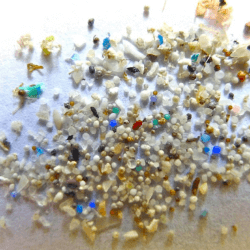
In the near future, [Yield10 Bioscience’s Dr. Oliver] Peoples believes farmers will utilize PHA content as a contributing determinant of price received per bushel. “We know PHA will command a very good price structure, at least a $1 per pound and that looks quite nice versus a 40-cent commodity oil. The math looks very good for the whole value chain and farmer.”


Read the original post

Related Articles

Infographic: Global regulatory and health research agencies on whether glyphosate causes cancer

Infographic: Global regulatory and health research agencies on whether glyphosate causes cancer

Does glyphosate—the world's most heavily-used herbicide—pose serious harm to humans? Is it carcinogenic? Those issues are of both legal and ...

Most Popular

ChatGPT-Image-Mar-10-2026-01_39_01-PM
Viewpoint—“Miracle molecule” debunked: Why acemannan supplements don’t work
Screenshot 2026-11-23 at 11.51
Calley Means’ demonization of glyphosate is ‘just craziness’. Farmers are responding with science.
Pastel Breakfast Pedestals with Yogurt Bowl
RFK Jr. is about to issue an edict defining ultra-processed foods. What could go wrong?
Neon-AI-Globe-Network
Viewpoint: The three biggest threats posed by AI hyper-intelligence
Screenshot-2026-11-16-at-2.37.32-PM
30 years of GMO farming: Is the boom in glyphosate and glufosinate use harming the environment? Data show they’re the most sustainable choice
Screenshot-2026-11-24-at-11.07.44-AM
Here's a sure way to increase testosterone levels and jack up your sex drive
glp menu logo outlined

Get news on human & agricultural genetics and biotechnology delivered to your inbox.














