Psilocybin ‘magic mushrooms’ shown to be as effective as pharmaceuticals in treating depression

Credit: iStock
Credit: iStock

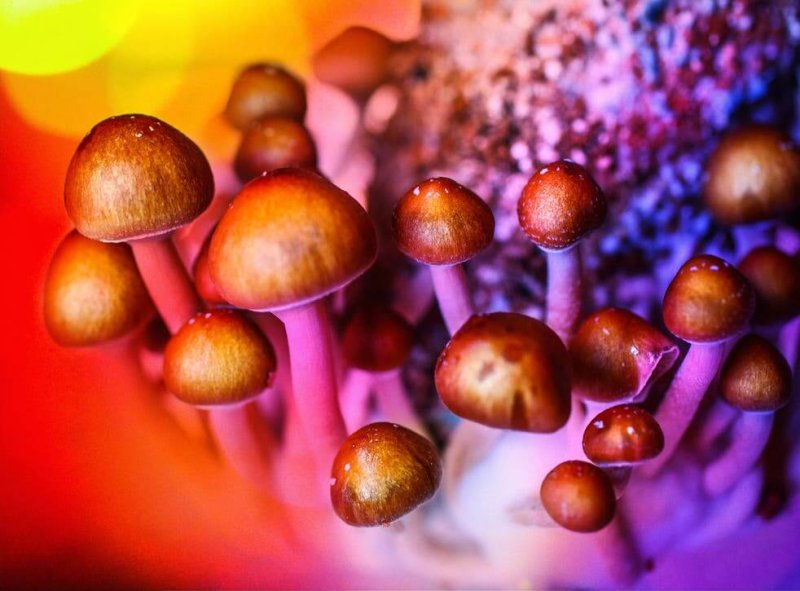
The psychedelic drug psilocybin – found in “magic mushrooms” performed just as well as a widely used antidepressant in easing the symptoms of major depression, and outperformed the common prescription medication on a range of secondary measures, results of a small-scale phase II study show.

In a 6-week trial that included 59 patients with moderate-to-severe depression, there was no significant difference between the impact of high-dose psilocybin and that of selective serotonin reuptake inhibitor (SSRI) escitalopram, sold under the brand name Lexapro.

Patients in the group that received psilocybin did show a much more rapid improvement in the main measure of depression than those taking escitalopram, but this gap narrowed over the span of the trial until it was no longer statistically significant.

“It’s very clear that psilocybin therapy has a faster antidepressant onset than escitalopram.” [said the study’s lead author Robin Carhart-Harris.]

Follow the latest news and policy debates on sustainable agriculture, biomedicine, and other ‘disruptive’ innovations. Subscribe to our newsletter.

Investigators found that psilocybin bested escitalopram in several secondary outcomes, including feelings of well-being, the ability to express emotion, and social functioning.

Still, the team cautioned that they could draw no conclusions from these secondary measures because larger and longer trials are required.

“But the secondaries were highly suggestive — tantalizingly suggestive — of the potential superiority of psilocybin therapy to treat not just depression, but these ancillary symptoms,” Carhart-Harris said.


Read the original post

{{ reviewsTotal }}{{ options.labels.singularReviewCountLabel }}
{{ reviewsTotal }}{{ options.labels.pluralReviewCountLabel }}
{{ options.labels.newReviewButton }}
{{ userData.canReview.message }}

Related Articles

Infographic: Global regulatory and health research agencies on whether glyphosate causes cancer

Infographic: Global regulatory and health research agencies on whether glyphosate causes cancer

Does glyphosate—the world's most heavily-used herbicide—pose serious harm to humans? Is it carcinogenic? Those issues are of both legal and ...

Most Popular

Screenshot-2026-04-22-at-12.21.32-PM
Viewpoint: Why the retracted Monsanto glyphosate study doesn’t change the science—the world’s most popular herbicide is safe 
Picture1
The FDA couldn’t find a vaccine safety crisis, so it buried its own research
ChatGPT-Image-May-1-2026-11_42_59-AM-2
Viewpoint: NAD is the wellness grifters latest evidence-lite longevity fad. At least the mice are impressed.
global warming
‘Implausible’: Top climate scientists reject worst-case scenario—soaring temperatures and fast-rising sea levels
Screenshot-2026-05-21-at-12.15.17-PM
UK gene-editing milestone: Livestock barley that increases ruminant value and reduces methane emissions is first-approved CRISPR crop
ChatGPT-Image-Apr-16-2026-02_56_53-PM
Financial incentives, over diagnosis, and weak oversight: Autism claims are driving up Medicare costs
vax-misinformation-main
Facts & Fallacies Podcast: Limit free speech to blunt social media misinfo?
Screenshot-2026-05-21-at-3.15.53-PM
Chiropractors may no longer be modern-day snake oil salesmen, but the benefits of their therapy are limited–at best
ChatGPT-Image-May-12-2026-11_27_01-AM-2
AI likely to improve health care, research shows—but not for blacks and ethnic minorities
red-meat-cancer-connection-1030x749
Meat sits atop the U.S.-RFK, Jr. food pyramid. How healthy is the carnivore diet?
glp menu logo outlined

Get news on human & agricultural genetics and biotechnology delivered to your inbox.