When the gene-editing technology CRISPR/Cas9 was discovered in 2012 by Berkeley biochemist Jennifer Doudna and collaborator Emmanuelle Charpentier, it changed genetics forever. “We’ve been able to read and write DNA for a long time. We have machines to sequence it (read); and to synthesize it (write). What we haven’t been able to do is to rewrite it—to edit it. And now we have a tool that lets you do something about that,” Doudna told California in 2014.
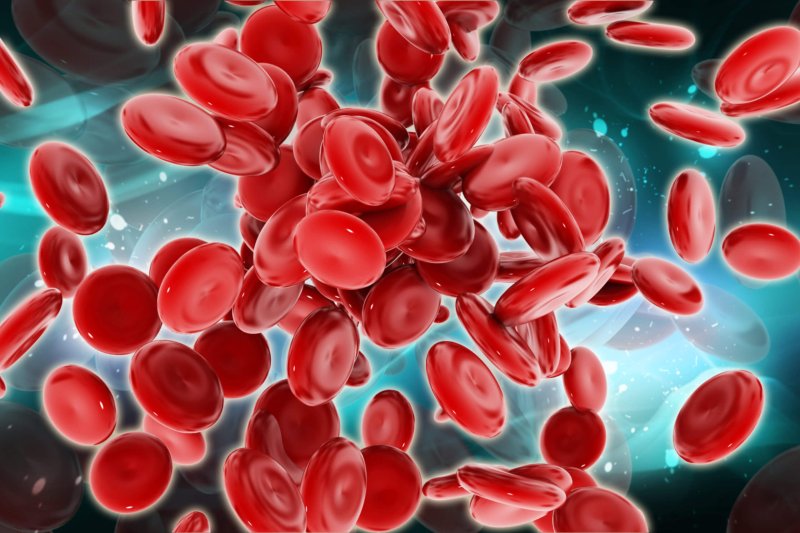
Now, nearly a decade after its discovery—and a 2020 Nobel Prize for Doudna and Charpentier—UC scientists have been given the FDA’s go-ahead to use CRISPR in clinical trials to treat sickle cell disease, the congenital disorder that contorts red blood cells into artery-clogging crescents. The painful and sometimes fatal condition afflicts more than 70,000 Americans and is particularly common among those with African ancestry. Currently, the only cure is a stem cell transplant from bone marrow, which is risky.
Because sickle cell is caused by a single mutation on the beta-globin gene, it’s an attractive target for CRISPR therapy. Only one defective segment of DNA in the affected gene needs to be overwritten. Scientists from Berkeley, UCLA, and UCSF are set to do just that this summer, when they’ll begin the first in-human clinical trial of CRISPR gene-correction therapy in nine patients with sickle cell disease.
For now, researchers will repair the damaged cells ex vivo, or outside the body, but they are confident they will soon find ways to deliver the CRISPR therapy directly to bone marrow in patients.

Sickle cell may be just the start. “Our efforts will have a ripple effect to enable cures for blood disorders in general … as well as diseases of the immune system,” Berkeley scientist Ross Wilson, director of therapeutic delivery at the Doudna-founded Innovative Genomics Institute, told Berkeley News. “The hematopoietic stem cell is the seed for the entire immune system, so all blood disorders can theoretically be cured by a stem cell therapy like this.”