Gene editing poised to spark innovation in herbicide- and disease-resistant sugar cane

Credit: Fawakih
Credit: Fawakih

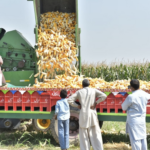
Sugarcane is one of the most productive plants on Earth, providing 80 percent of the sugar and 30 percent of the bioethanol produced worldwide. Its size and efficient use of water and light give it tremendous potential for the production of renewable value-added bioproducts and biofuels.

But the highly complex sugarcane genome poses challenges for conventional breeding, requiring more than a decade of trials for the development of an improved cultivar.

Two recently published innovations by University of Florida researchers at the Department of Energyโ€™s Center for Advanced Bioenergy and Bioproducts Innovation (CABBI) demonstrated the first successful precision breeding of sugarcane by using CRISPR/Cas9 genome editing โ€” a far more targeted and efficient way to develop new varieties.

CRISPR/Cas9 allows scientists to introduce precision changes in almost any gene and, depending on the selected approach, to turn the gene off or replace it with a superior version. The latter is technically more challenging and has rarely been reported for crops so far.

Follow the latest news and policy debates on sustainable agriculture, biomedicine, and other ‘disruptive’ innovations. Subscribe to our newsletter.

โ€œNow we have very effective tools to modify sugarcane into a crop with higher productivity or improved sustainability,โ€ [researcher Fredy] Altpeter said. โ€œItโ€™s important since sugarcane is the ideal crop to fuel the emerging bioeconomy.โ€

Read the original post

{{ reviewsTotal }}{{ options.labels.singularReviewCountLabel }}
{{ reviewsTotal }}{{ options.labels.pluralReviewCountLabel }}
{{ options.labels.newReviewButton }}
{{ userData.canReview.message }}

Related Articles

Infographic: Global regulatory and health research agencies on whether glyphosate causes cancer

Infographic: Global regulatory and health research agencies on whether glyphosate causes cancer

Does glyphosateโ€”the world's most heavily-used herbicideโ€”pose serious harm to humans? Is it carcinogenic? Those issues are of both legal and ...

Most Popular

ChatGPT-Image-Mar-27-2026-11_47_30-AM-2
FDAโ€™s expedited drug reviews are hailed in some quarters but other approval practices are problematic
Farmers can talk to plants
Farmers are a major source of misinformationโ€”about farming
Screenshot-2026-05-01-at-1.29.41-PM
Viewpoint: What happens when whole grains meet modern food manufacturing? Labels donโ€™t tell the whole story.
ChatGPT-Image-Apr-13-2026-02_20_22-PM
Viewpoint: Misinformation infodemic? Why assessing evidence is so challengingย 
S
As vaccine rejectionism spreads, measles may be taking a more dangerous turn
Screenshot 2026-05-06 at 2.19
Vaccine shootout at the CDCย 
What explains Homo sapiensโ€™ huge brains? Ancient climate change played a role
Viewpoint: Internal White House documents detail administrationโ€™s strategy to undermine climate science
ChatGPT-Image-May-7-2026-11_28_04-AM-2
โ€˜Conflict entrepreneursโ€™ are driving disinformation and shaping public opinion
Screenshot-2026-04-20-at-2.26.27-PM
Viewpoint โ€” Food-fear world: The latest activist scientists campaign: Cancer-causing additives
ChatGPT-Image-May-6-2026-03_41_05-PM
โ€˜Protecting the integrity of scienceโ€™: Kennedyโ€™s FDA blocks release of taxpayer-funded studies finding COVID and shingles vaccines safe
bigstock opioids on chalkboard with rol
GLP podcast: 'Safe injection sites': enabling drug addiction or saving lives?
Screenshot-2026-05-06-at-2.07.43-PM
Manufacturing a conspiracy: The timeline of howย  the White House embraced the fringe claim that scientists are being mysteriously murdered
circular-bioeconomy-should-focus-on-sustainable-wellbeing
GLP podcast: What's wrong with 'doomsday' environmentalism? It's false.
Screenshot 2026-05-06 at 12.49
Immortal dragons: The quest to โ€˜make death optionalโ€™
glp menu logo outlined

Get news on human & agricultural genetics and biotechnology delivered to your inbox.