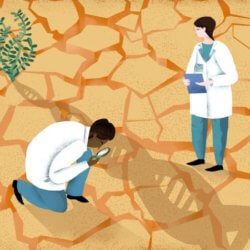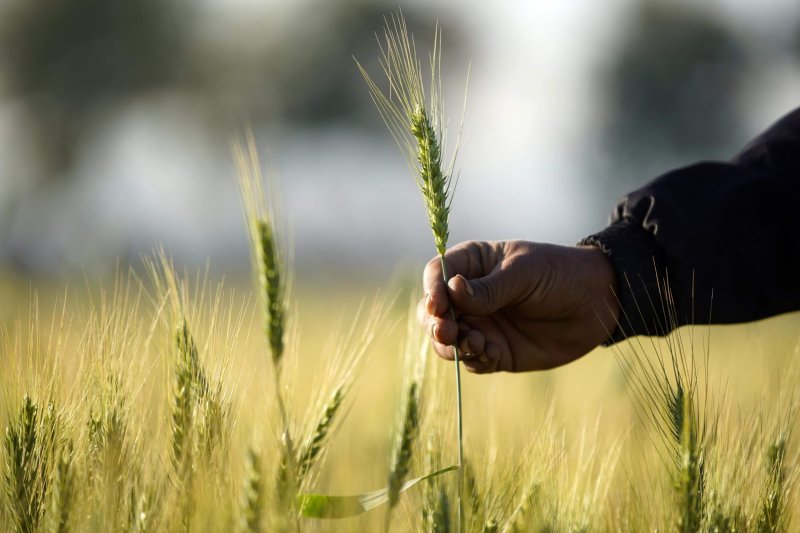
Viewpoint: Why aren’t Canada and the United States growing sustainable, genetically modified wheat?

Credit: Himanshu Sharma/NurPhoto/Getty Images)

Itโ€™s safe. It would help farmers deal with drought, support biodiversity, protect the environment and decrease a farms carbon footprint. It would help consumers cope with inflation and pay their food bills.

So why arenโ€™t we growing genetically modified wheat?

Weโ€™re asking this question again because of theย newsย from South America late last year that Brazil will accept the importation of genetically modified wheat flour from Argentina.

This is an enormous step, marking the first time anywhere in the world that a regulatory agency has approved such a move. Bloombergย calledย it โ€œthe most critical milestone for genetically modified wheat to date.โ€

Follow the latest news and policy debates on sustainable agriculture, biomedicine, and other ‘disruptive’ innovations. Subscribe to our newsletter.

Itโ€™s easy to reject something you do not understand. Sadly, we may have only ourselves to blame: We failed to communicate the big advantages of this crop to consumers.

As people learn more about these safe technologies and come to understand that these same technologies help farmers meet the sustainability goals many consumers are asking for and we share, their support for these โ€˜tools of sustainabilityโ€™ may change. This is the story of genetically modified crop acceptance, and thereโ€™s no reason it shouldnโ€™t come to include the acceptance of genetically modified wheat.

This is an excerpt. Read the original post here.

{{ reviewsTotal }}{{ options.labels.singularReviewCountLabel }}
{{ reviewsTotal }}{{ options.labels.pluralReviewCountLabel }}
{{ options.labels.newReviewButton }}
{{ userData.canReview.message }}

Related Articles

Infographic: Global regulatory and health research agencies on whether glyphosate causes cancer

Infographic: Global regulatory and health research agencies on whether glyphosate causes cancer

Does glyphosateโ€”the world's most heavily-used herbicideโ€”pose serious harm to humans? Is it carcinogenic? Those issues are of both legal and ...

Most Popular

Screenshot-2026-04-22-at-12.21.32-PM
Viewpoint: Why the retracted Monsanto glyphosate study doesnโ€™t change the scienceโ€”the worldโ€™s most popular herbicide is safeย 
Picture1
The FDA couldnโ€™t find a vaccine safety crisis, so it buried its own research
ChatGPT-Image-May-1-2026-11_42_59-AM-2
Viewpoint: NAD is the wellness grifters latest evidence-lite longevity fad. At least the mice are impressed.
ChatGPT-Image-Apr-16-2026-02_56_53-PM
Financial incentives, over diagnosis, and weak oversight: Autism claims are driving up Medicare costs
ChatGPT-Image-May-12-2026-11_27_01-AM-2
AI likely to improve health care, research showsโ€”but not for blacks and ethnic minorities
ChatGPT-Image-May-7-2026-01_23_27-PM-2
Viewpoint: Will AI democratize personalized cancer treatment or fuel medical misinformation?
vax-misinformation-main
Facts & Fallacies Podcast: Limit free speech to blunt social media misinfo?

Sorry. No data so far.

glp menu logo outlined

Get news on human & agricultural genetics and biotechnology delivered to your inbox.