Top 10 myths demonizing genetically modified foods debunked

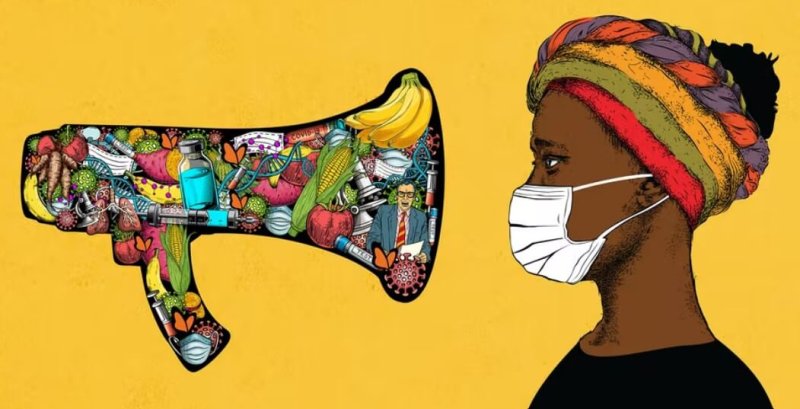
We are bombarded with GMO myths Superweeds, safety, and bee populations. Credit: Evan Clayburg

10. GMOs are used to create “Frankenfoods”

The vast majority of GMOs are used for things like making crops resistant to pests or making them healthier or more suitable for harsh environments.

Follow the latest news and policy debates on sustainable agriculture, biomedicine, and other ‘disruptive’ innovations. Subscribe to our newsletter.

8. GMOs will destroy our environment

There is no evidence that GMOs are any more harmful to the environment than other crops. And in some instances, they can bring pollination to areas that otherwise would have very little growth.

GMOs help the environment in more ways than just feeding more people. Here are a few of the ways that they’re helping the environment:

  • Fewer chemicals and fuel used throughout the farming process
  • Decreasing excess CO2
  • Preventing soil erosion and improving soil health
  • Conserving water

7. GMOs cause cancer

Like most myths, this one is born out of ignorance by people who have knee-jerk reactions to things they don’t understand. Eating genetically modified food is not going to modify your own DNA and give you cancer.

There have been studies done by institutions around the globe, and there has been no evidence that eating GMOs causes any kind of cancer.

GMOs have also been reviewed by the FDA, which found that they cause no major side effects when consumed.

4. You can’t trust independent studies on GMO

This is a common myth that is propagated by people who are against GMOs. They claim that because the studies are not funded by the government, they must be biased.

This could not be further from the truth. Many independent studies have been conducted on GMOs, and they have all come to the same conclusion: GMOs are safe for human consumption.

This doesn’t mean that independent studies can’t be biased, but examining the data and mission of the organization can weed those out.


This is an excerpt. Read the original post here.

{{ reviewsTotal }}{{ options.labels.singularReviewCountLabel }}
{{ reviewsTotal }}{{ options.labels.pluralReviewCountLabel }}
{{ options.labels.newReviewButton }}
{{ userData.canReview.message }}

Related Articles

Infographic: Global regulatory and health research agencies on whether glyphosate causes cancer

Infographic: Global regulatory and health research agencies on whether glyphosate causes cancer

Does glyphosate—the world's most heavily-used herbicide—pose serious harm to humans? Is it carcinogenic? Those issues are of both legal and ...

Most Popular

Screenshot-PM-24
Viewpoint: The herbicide glyphosate isn’t perfect. Banning it would be far worse.
d-b
Blocked arteries, kidney stones, nausea, constipation, fatigue: Long list of health problems caused by too much vitamin D 
Screenshot-2026-04-27-at-12.22.38-PM
Running ‘wild’: Last year, RFK, Jr. was given a green light to ‘reform’ chemical policies. Glyphosate illustrates how Trump now has him on a tight leash, and MAHA is furious
bayer-supremecourt-lt
EPA concludes glyphosate is not carcinogenic. Missouri courts say Monsanto failed to warn it might be. SCOTUS weighs in.
ChatGPT-Image-Apr-22-2026-11_06_18-AM
Wellness influencer nonsense: No, nicotine does not boost cognition and productivity, but it can damage your health 
ChatGPT-Image-Feb-16-2026-01_57_31-PM
Viewpoint: ‘Science-as-Satan’ unites the MAHA—MAGA movements. Is a breakup in the works?
Screenshot-2026-04-27-at-1.40.55-PM
With federal funding for scientific research already reeling, Trump fires the entire apolitical National Science Board
glp menu logo outlined

Get news on human & agricultural genetics and biotechnology delivered to your inbox.