‘Textbook case of how a government can cause a debt crisis’: Organic food mandate and agricultural chemical ban gutted Sri Lanka’s tea export market

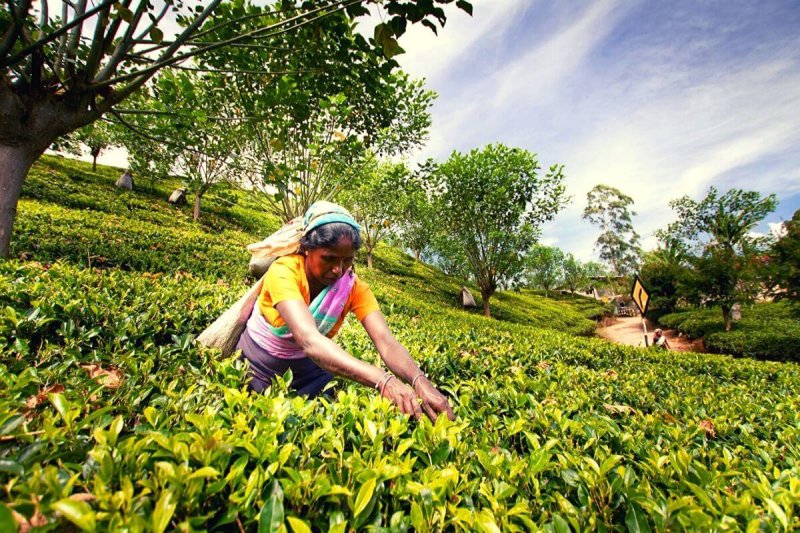
Credit: Flashpacking Family

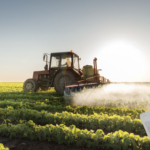
Before 2019, Sri Lanka was self-sufficient in food. The government elected that year banned pesticides so that only organic farming was allowed, resulting in the shutting of tea plantations (a source of export revenue) and shrinking the country’s ability to feed itself (Sri Lanka now imports grains). Together with the damage to tourism from the Covid pandemic and rising global commodity prices, this has reduced tax revenues and put more pressure on the Sri Lankan rupee.

The public finances have been further damaged by unsustainable subsidies and unaffordable tax cuts.

Follow the latest news and policy debates on sustainable agriculture, biomedicine, and other ‘disruptive’ innovations. Subscribe to our newsletter.

Perhaps it is time to consider a different approach, which puts the needs of citizens first and ensures that political elites aren’t rewarded for poor policy choices.

The suffering of ordinary citizens, pensioners, students and the impact on future generations is neither inevitable nor bad luck. Citizens’ views must be taken into account in determining how the crisis is resolved. This would be a blueprint for future economic crises – and these could well be looming in view of slow post-Covid recovery, the strong US dollar and high commodity prices.


This is an excerpt. Read the original post here

{{ reviewsTotal }}{{ options.labels.singularReviewCountLabel }}
{{ reviewsTotal }}{{ options.labels.pluralReviewCountLabel }}
{{ options.labels.newReviewButton }}
{{ userData.canReview.message }}

Related Articles

Infographic: Global regulatory and health research agencies on whether glyphosate causes cancer

Infographic: Global regulatory and health research agencies on whether glyphosate causes cancer

Does glyphosate—the world's most heavily-used herbicide—pose serious harm to humans? Is it carcinogenic? Those issues are of both legal and ...

Most Popular

Screenshot-2026-04-22-at-12.21.32-PM
Viewpoint: Why the retracted Monsanto glyphosate study doesn’t change the science—the world’s most popular herbicide is safe 
Picture1
The FDA couldn’t find a vaccine safety crisis, so it buried its own research
ChatGPT-Image-May-1-2026-11_42_59-AM-2
Viewpoint: NAD is the wellness grifters latest evidence-lite longevity fad. At least the mice are impressed.
ChatGPT-Image-May-7-2026-01_23_27-PM-2
Viewpoint: Will AI democratize personalized cancer treatment or fuel medical misinformation?
global warming
‘Implausible’: Top climate scientists reject worst-case scenario—soaring temperatures and fast-rising sea levels
ChatGPT-Image-Apr-16-2026-02_56_53-PM
Financial incentives, over diagnosis, and weak oversight: Autism claims are driving up Medicare costs
vax-misinformation-main
Facts & Fallacies Podcast: Limit free speech to blunt social media misinfo?
Screenshot-2026-05-21-at-12.15.17-PM
UK gene-editing milestone: Livestock barley that increases ruminant value and reduces methane emissions is first-approved CRISPR crop
Screenshot-2026-05-21-at-3.15.53-PM
Chiropractors may no longer be modern-day snake oil salesmen, but the benefits of their therapy are limited–at best
ChatGPT-Image-May-12-2026-11_27_01-AM-2
AI likely to improve health care, research shows—but not for blacks and ethnic minorities
glp menu logo outlined

Get news on human & agricultural genetics and biotechnology delivered to your inbox.