
Genetically-engineered disease-resistant potato eagerly awaited by farmers in Rwanda

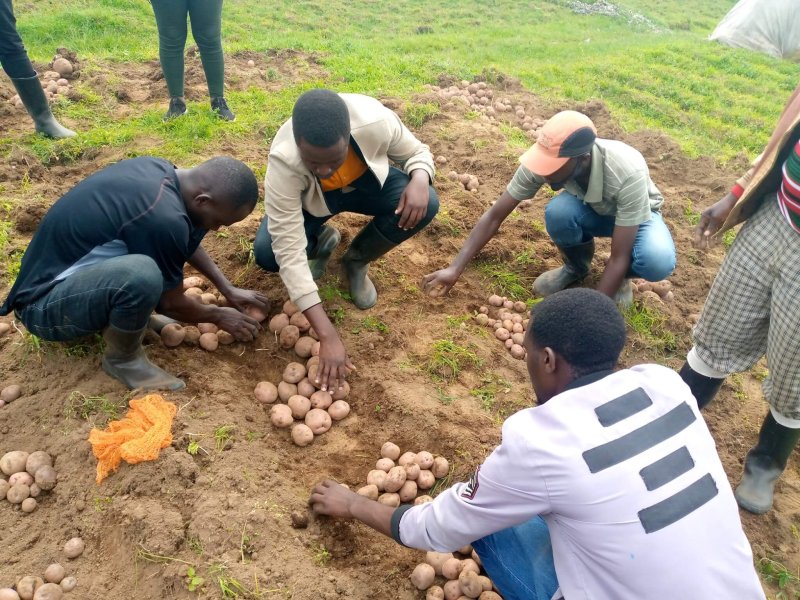
Researchers have been studying the potential of Irish potato varieties in Rwanda for some time. Credit: Rwandan Ministry of Agriculture and Animal Resources via Twitter

Potato farmers have welcomed the government’s ongoing trials on the use of agricultural biotechnology in producing a new Irish potato variety resistant to the devastating late blight disease.

If successful, farmers can grow the new potato variety without necessarily using agrochemicals.

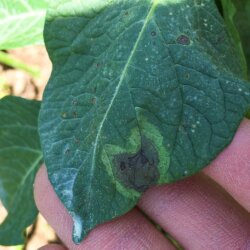
Late blight, a potentially devastating disease affecting potatoes and tomatoes, infecting leaves, stems, potato tubers and tomato fruits, spreads quickly in fields and can result in total crop failure if untreated.

According to the International potato Centre (CIP), in East Africa, the disease can destroy as much as 60-100 per cent of the crop.

Mis- and disinformation are distorting science and public policy. Subscribe to our Daily and Weekly Digests for incisive coverage of ‘disruptive’ innovations in AI, agricultural biotechnology, food, chemicals, nuclear energy, vaccines, and other disruptive innovations.

Apollinaire Karegeya, [a farmer in Musanze District, Rwanda]:
One hectare requires three kilos of agrochemicals. Each kilo costs RWF 5,000 (about USD 4.85), and we spray twice a week.

The farmer uses RWF 30,000 (about USD 29) per hectare or RWF 450,000 (about USD 435) on his 15 hectares, every week.

Apollinaire Karegeya:

We hope the agricultural biotechnology that the government is talking about could save us from losses and costs incurred on agrochemicals because smallholder farmers just can’t’ manage with such losses.


This is an excerpt. Read the original post here

Related Articles

Infographic: Global regulatory and health research agencies on whether glyphosate causes cancer

Infographic: Global regulatory and health research agencies on whether glyphosate causes cancer

Does glyphosate—the world's most heavily-used herbicide—pose serious harm to humans? Is it carcinogenic? Those issues are of both legal and ...

Most Popular

ChatGPT-Image-Mar-10-2026-01_39_01-PM
Viewpoint—“Miracle molecule” debunked: Why acemannan supplements don’t work
Screenshot 2026-11-23 at 11.51
Calley Means’ demonization of glyphosate is ‘just craziness’. Farmers are responding with science.
Glassy Molecules Above Floral Pads
Viewpoint: ‘Forever' PFAS chemicals in panty liners? The only ‘forever’ truth is endless lawsuits that do not protect women’s health 
Weed Killer, Gavel, and Cash on Wood Table
Who were the biggest winners in Bayer’s $7.25 billion glyphosate settlement? The tort lawyers, natch
Screenshot-2026-11-24-at-11.07.44-AM
Here's a sure way to increase testosterone levels and jack up your sex drive
Screenshot-2026-11-16-at-2.37.32-PM
30 years of GMO farming: Is the boom in glyphosate and glufosinate use harming the environment? Data show they’re the most sustainable choice
glp menu logo outlined

Get news on human & agricultural genetics and biotechnology delivered to your inbox.














