Why biodiversity is so essential to pollinator health

Screen Shot at PM
Credit: Igihe

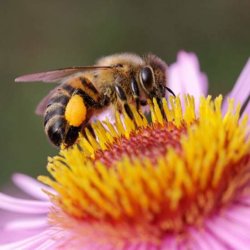
Biodiversity is essential for effective crop production and the health of our natural resources. It sustains the ecosystems that underpin fertile soils and plant pollination, helping farmers grow healthy food. Bees alone contribute nearly $20 billion to the value of crop production in the U.S. each year, and more than one-third of all crops depend on pollinators for propagation. Ensuring a sustainable food supply requires each of us to play a role in preserving our land and protecting pollinators and other beneficial insects and animals.

Mis- and disinformation are distorting science and public policy. Subscribe to our Daily and Weekly Digests for incisive coverage of ‘disruptive’ innovations in AI, agricultural biotechnology, food, chemicals, nuclear energy, vaccines, and other disruptive innovations.

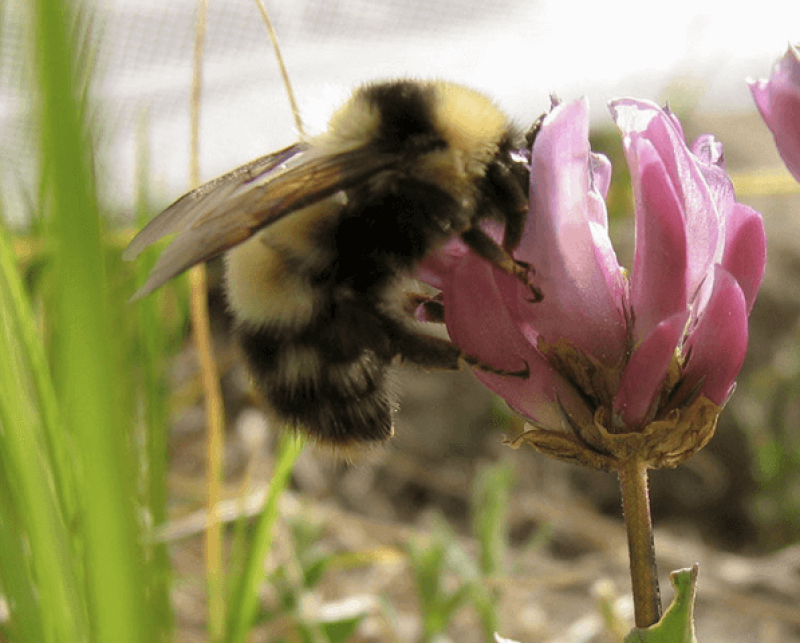
Operation Pollinator provides farmers, golf course managers, and other land managers with the tools and information needed to successfully establish and manage attractive wildflower resources that are crucial for bumble bees and pollinating insects while enhancing the visual appearance of the utilized land. The habitat provides nesting and food resources for bees, other pollinators, beneficial insects, as well as small mammals and farmland birds, enhancing overall biodiversity. It also provides important ecosystems services like pollination and pest control that improve crop yields, thereby securing both sustainable farming and environmental balance.

…

We can all do our part to protect pollinators and other beneficial insects by promoting more sustainable practices that diversify agricultural land, golf courses, and other landscapes. To learn more about pollinator protection and stewardship best practices, visit www.BeeHealth.org.

This is an excerpt. Read the original post here

Related Articles

Infographic: Global regulatory and health research agencies on whether glyphosate causes cancer

Infographic: Global regulatory and health research agencies on whether glyphosate causes cancer

Does glyphosate—the world's most heavily-used herbicide—pose serious harm to humans? Is it carcinogenic? Those issues are of both legal and ...

Most Popular

Weed Killer, Gavel, and Cash on Wood Table
Who were the biggest winners in Bayer’s $7.25 billion glyphosate settlement? The tort lawyers, natch
ChatGPT-Image-Mar-10-2026-01_39_01-PM
Viewpoint—“Miracle molecule” debunked: Why acemannan supplements don’t work
Screenshot-2026-11-24-at-11.07.44-AM
Here's a sure way to increase testosterone levels and jack up your sex drive
PFAS Molecules and Hazard Icons
Viewpoint: $$$ Billions of reasons why environmental activists are trying to slap a ‘killer PFAS’ label on many safe and essential ‘forever chemicals’
Screenshot-2026-11-16-at-2.37.32-PM
30 years of GMO farming: Is the boom in glyphosate and glufosinate use harming the environment? Data show they’re the most sustainable choice
Neon-AI-Globe-Network
Viewpoint: The three biggest threats posed by AI hyper-intelligence
Glassy Molecules Above Floral Pads
Viewpoint: ‘Forever' PFAS chemicals in panty liners? The only ‘forever’ truth is endless lawsuits that do not protect women’s health 
Screenshot 2026-11-23 at 11.51
Calley Means’ demonization of glyphosate is ‘just craziness’. Farmers are responding with science.
Screenshot 2026-11-24 at 1.51
Viewpoint: Embrace aging and reject the longevity industry’s eternal-life delusion
Pastel Breakfast Pedestals with Yogurt Bowl
RFK Jr. is about to issue an edict defining ultra-processed foods. What could go wrong?
glp menu logo outlined

Get news on human & agricultural genetics and biotechnology delivered to your inbox.