Can lab-grown fruit reduce hunger and methane-generating waste?

Credit: Filo gèn' via CC-BY-SA 4.0

Scientists in New Zealand are attempting to create lab-grown fruit from plant cells, without the parts that are usually thrown away like apple cores.

Mis- and disinformation are distorting science and public policy. Subscribe to our Daily and Weekly Digests for incisive coverage of ‘disruptive’ innovations in AI, agricultural biotechnology, food, chemicals, nuclear energy, vaccines, and other disruptive innovations.

The team of scientists from New Zealand’s Plant & Food Research cites the reasons behind their pioneering research into lab-grown fruit: to solve food insecurity, create more sustainable agriculture and safeguard against the effects of climate change. From a wider perspective, scientists are looking at ways to feed the growing population with fewer areas to grow food.

The team’s research into lab-grown fruit technology could also help reduce food waste, a major source of methane emissions, as the fruits they hope to make from plant cells wouldn’t contain the parts that are normally discarded, such as the cores of apples or rinds of oranges.

Mis- and disinformation are distorting science and public policy. Subscribe to our Daily and Weekly Digests for incisive coverage of ‘disruptive’ innovations in AI, agricultural biotechnology, food, chemicals, nuclear energy, vaccines, and other disruptive innovations.

A further benefit of producing cultured fruits and vegetables is the possibility of further research leading to new superfoods with the health benefits of many current fruits and vegetables combined.

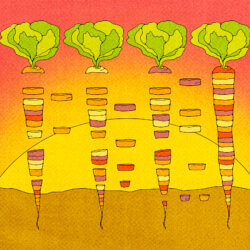
The project, titled “The Plant and Food Research Programme,” focuses on a range of fruit, including apples, blueberries, peaches, nectarines, cherries and grapes. However, the scientists also make it clear that, while the project is promising, it is still in its early stages – the result of consumer-grade food is still far away.


This is an excerpt. Read the original post here

Related Articles

Infographic: Global regulatory and health research agencies on whether glyphosate causes cancer

Infographic: Global regulatory and health research agencies on whether glyphosate causes cancer

Does glyphosate—the world's most heavily-used herbicide—pose serious harm to humans? Is it carcinogenic? Those issues are of both legal and ...

Most Popular

Screenshot-2026-11-17-at-12.18.09-PM
Challenging glyphosate fear-mongering: Statewide Nebraska study finds no link between weedkiller use and non-Hodgkin lymphoma
Screenshot-2026-11-16-at-2.37.32-PM
30 years of GMO farming: Is the boom in glyphosate and glufosinate use harming the environment? Data show they’re the most sustainable choice
Soybean Harvest in Cupped Hands
30 years of GMO farming: Defying cynics, we’ve had larger harvests, lower costs, and $385 billion in added global farmer income
ChatGPT-Image-Mar-10-2026-01_39_01-PM
Viewpoint—“Miracle molecule” debunked: Why acemannan supplements don’t work
Stormlit Portrait Over Golden Mountains
Searching for life where no one thought to look: A renowned astrophysicist’s seemingly quixotic quest to explore Venus’s clouds
Screenshot-2026-11-19-at-7.54.57-PM
European General Court sides with scientists, dismisses activist claims that glyphosate is toxically dangerous
Screenshot-2026-11-13-at-10.02.02-AM
Viewpoint: Why it’s such a big deal that under Trump-RFK Jr., the U.S. has lost its ‘measles-free’ status  
BEMT Lotion for Freckled Skin
Burned by FDA bureaucracy: Why Americans waited decades for cancer-preventing sunscreen
Screenshot-2026-11-09-at-3.01.19-PM
Are Texas data centers killing calves? Debunking viral AI claims
Prescription Capsules Scattered on Twenty-Dollar Bills
Facts & Fallacies podcast: America's health care system is broken. A doctor explains how to fix it, Part 2
glp menu logo outlined

Get news on human & agricultural genetics and biotechnology delivered to your inbox.