Is there such a thing as ‘plant behavior’?

2 million years: Oldest DNA ever discovered unearthed in plant and animal remains in Greenland
Credit: Pixabay/ Sabrina Eickhoff

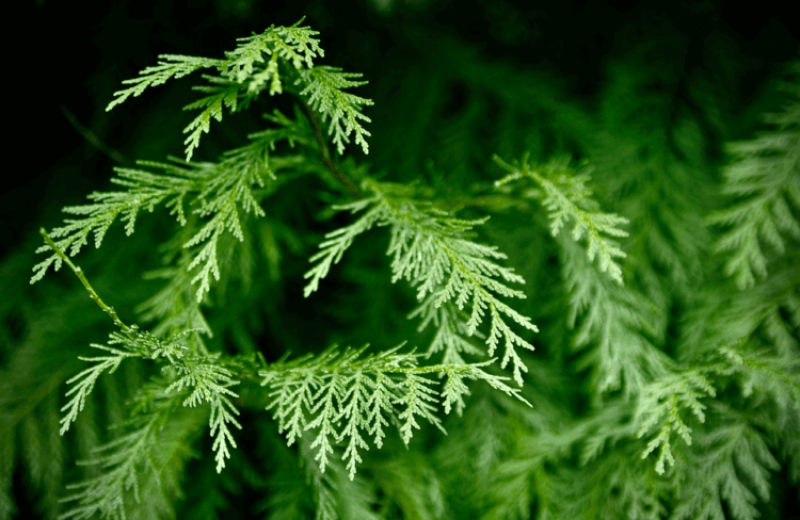
We are just beginning to glimpse the extraordinary complexity and subtlety of plants’ relations with their environment, with each other and with other living beings. We owe these radical developments in our understanding of plants to one area of study in particular: the study of plant behaviour.

The idea of ‘plant behaviour’ may seem odd, given the association of the word ‘behaviour’ with animals, including humans. When we think of classic animal behaviours – dancing honeybees, dogs wagging their tails, primates grooming each other – we may wonder what there could possibly be in plant life corresponding to this.

Mis- and disinformation are distorting science and public policy. Subscribe to our Daily and Weekly Digests for incisive coverage of ‘disruptive’ innovations in AI, agricultural biotechnology, food, chemicals, nuclear energy, vaccines, and other disruptive innovations.

It turns out that they do a lot. Take wounding. Most plants respond to damage to their leaves by releasing volatile organic compounds (VOCs). Some of these VOCs activate abiotic stress-related genes; some have antibacterial and antifungal properties. Some VOCs specifically repel the attacking herbivore with nasty tastes or toxins, and some plants can identify which specific herbivore is attacking, and produce different responses accordingly. Some VOCs attract the predators of the insects that are attacking the plant. Herbivore attack can also induce plants to produce more nectar, encouraging insects away from leaves.
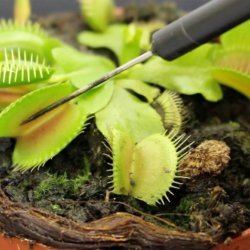
These responses are easily understood as behaviours ‘directed towards an end’ – the end of self-preservation and flourishing.


This is an excerpt. Read the original post here

Related Articles

Infographic: Global regulatory and health research agencies on whether glyphosate causes cancer

Infographic: Global regulatory and health research agencies on whether glyphosate causes cancer

Does glyphosate—the world's most heavily-used herbicide—pose serious harm to humans? Is it carcinogenic? Those issues are of both legal and ...

Most Popular

Weed Killer, Gavel, and Cash on Wood Table
Who were the biggest winners in Bayer’s $7.25 billion glyphosate settlement? The tort lawyers, natch
Glassy Molecules Above Floral Pads
Viewpoint: ‘Forever' PFAS chemicals in panty liners? The only ‘forever’ truth is endless lawsuits that do not protect women’s health 
Screenshot 2026-11-23 at 11.51
Calley Means’ demonization of glyphosate is ‘just craziness’. Farmers are responding with science.
Donkey Symbol Meets Speaking Politician
Democrats’ bid to win over MAHA voters faces a hard limit: Their loyalty to RFK Jr.
ChatGPT-Image-Mar-10-2026-01_39_01-PM
Viewpoint—“Miracle molecule” debunked: Why acemannan supplements don’t work
Screenshot 2026-11-24 at 1.51
Viewpoint: Embrace aging and reject the longevity industry’s eternal-life delusion
Florida Varicella Vaccine Syringe Scene
Chickenpox, Hib, Pneumococcus, Hepatitis B: Florida poised to drop requirements for 4 life-protecting vaccines
Screenshot-2026-11-24-at-11.07.44-AM
Here's a sure way to increase testosterone levels and jack up your sex drive
PFAS Molecules and Hazard Icons
Viewpoint: $$$ Billions of reasons why environmental activists are trying to slap a ‘killer PFAS’ label on many safe and essential ‘forever chemicals’
Screenshot-2026-11-16-at-2.37.32-PM
30 years of GMO farming: Is the boom in glyphosate and glufosinate use harming the environment? Data show they’re the most sustainable choice
Pastel Breakfast Pedestals with Yogurt Bowl
RFK Jr. is about to issue an edict defining ultra-processed foods. What could go wrong?
Wholewheat Bread and Yogurt Ingredients
Viewpoint: RFK Jr.’s reckless good intentions: Do we really want to ban whole-wheat bread and yogurt?
glp menu logo outlined

Get news on human & agricultural genetics and biotechnology delivered to your inbox.