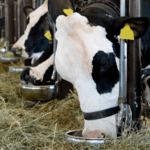
Decades of fishing permanently rewired the DNA of cod

Screenshot 2025-07-01 at 3.14.30 PM

According to researchers from GEOMAR Helmholtz Centre for Ocean Research Kiel, decades of intense fishing pressure didn’t just reduce the [cod] population – it rewired the species itself.

“Selective overexploitation has altered the genome of Eastern Baltic cod,” explains Dr. Kwi Young Han, the study’s first author. “We see this in the significant decline in average size, which we could link to reduced growth rates.”

They traced how cod growth patterns and genetic traits shifted across nearly three decades of fishing pressure.

Follow the latest news and policy debates on sustainable agriculture, biomedicine, and other ‘disruptive’ innovations. Subscribe to our newsletter.

The outcome? Cod that grew fast and large used to be common. Now, they’ve nearly vanished. The survivors are the ones that grow slower, mature smaller, and escape early capture.

“When the largest individuals are consistently removed from the population over many years, smaller, faster-maturing fish gain an evolutionary advantage,” noted Dr. Thorsten Reusch, head of the Marine Ecology Research Division at GEOMAR.

“What we are observing is evolution in action, driven by human activity. This is scientifically fascinating, but ecologically deeply concerning.”


This is an excerpt. Read the original post here

{{ reviewsTotal }}{{ options.labels.singularReviewCountLabel }}
{{ reviewsTotal }}{{ options.labels.pluralReviewCountLabel }}
{{ options.labels.newReviewButton }}
{{ userData.canReview.message }}

Related Articles

Infographic: Global regulatory and health research agencies on whether glyphosate causes cancer

Infographic: Global regulatory and health research agencies on whether glyphosate causes cancer

Does glyphosate—the world's most heavily-used herbicide—pose serious harm to humans? Is it carcinogenic? Those issues are of both legal and ...

Most Popular

Screenshot-2026-04-22-at-12.21.32-PM
Viewpoint: Why the retracted Monsanto glyphosate study doesn’t change the science—the world’s most popular herbicide is safe 
Picture1
The FDA couldn’t find a vaccine safety crisis, so it buried its own research
ChatGPT-Image-May-1-2026-11_42_59-AM-2
Viewpoint: NAD is the wellness grifters latest evidence-lite longevity fad. At least the mice are impressed.
global warming
‘Implausible’: Top climate scientists reject worst-case scenario—soaring temperatures and fast-rising sea levels
Screenshot-2026-05-21-at-12.15.17-PM
UK gene-editing milestone: Livestock barley that increases ruminant value and reduces methane emissions is first-approved CRISPR crop
ChatGPT-Image-Apr-16-2026-02_56_53-PM
Financial incentives, over diagnosis, and weak oversight: Autism claims are driving up Medicare costs
vax-misinformation-main
Facts & Fallacies Podcast: Limit free speech to blunt social media misinfo?
Screenshot-2026-05-21-at-3.15.53-PM
Chiropractors may no longer be modern-day snake oil salesmen, but the benefits of their therapy are limited–at best
ChatGPT-Image-May-12-2026-11_27_01-AM-2
AI likely to improve health care, research shows—but not for blacks and ethnic minorities
red-meat-cancer-connection-1030x749
Meat sits atop the U.S.-RFK, Jr. food pyramid. How healthy is the carnivore diet?
glp menu logo outlined

Get news on human & agricultural genetics and biotechnology delivered to your inbox.