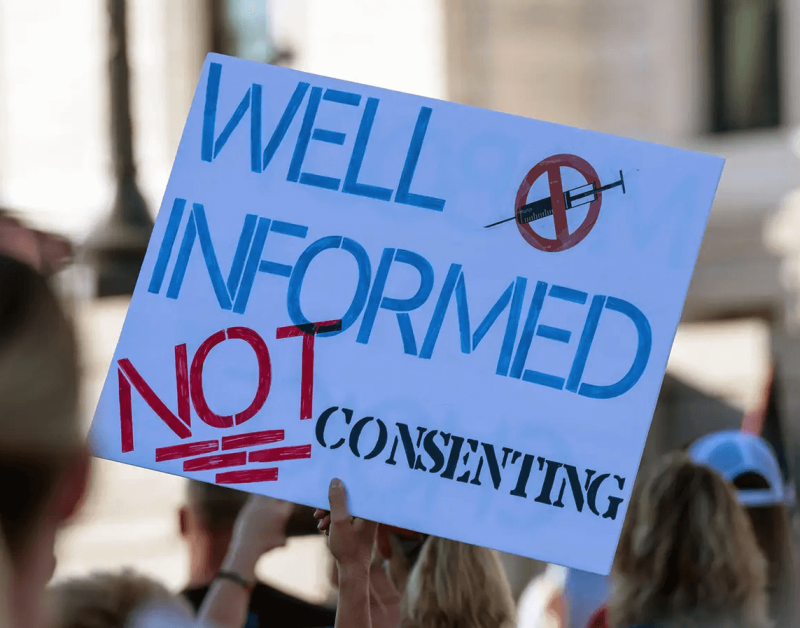
Information, much of it false, spreads at lightning speed in today’s digital age. The problem is more troubling than it may seem at first glance. Many people make important medical decisions, sometimes with fatal consequences, based on claims they see on social media. This raises a question that Americans don’t like to ask: How do we protect open discourse while curbing the flood of dangerous falsehoods? For some scientists, global regulation of internet speech is the most viable solution. “We suggest international law as a potential strategy for bringing about systems-level changes to prevent misinformation,” the authors of a 2025 study on health misinfo concluded.
But critics aren’t convinced. They note that government-coordinated efforts during the COVID-19 pandemic frequently suppressed not just blatant falsehoods but accurate information, such as stories of real vaccine side effects, data on natural immunity, or discussions of breakthrough infections, because officials feared users might “misinterpret” it.
Worse, authorities themselves spread misinformation. Two presidential administrations oversaw a Pentagon operation to deliberately promote anti-vaccine propaganda in developing countries, proving they are unqualified to serve as impartial arbiters of scientific truth. Handing regulatory power to governments and their chosen scientists risks turning debate into dogma: platforms and academics have already mislabeled legitimate research as “misinformation,” chilled scientific inquiry and driven dissent underground.
True scientific progress demands open scrutiny, not top-down control by self-appointed experts who prioritize narrative over evidence, critics add. Censorship erodes public trust far more than imperfect speech ever could.
So who has the upper hand in this incendiary debate? Join Dr. Liza Lockwood and Cam English on this episode of Facts & Fallacies as they examine one of the most important censorship debates of our time.



Podcast: Play in new window | Download
Subscribe: RSS
Dr. Liza Lockwood is a medical toxicologist and the medical affairs lead at Bayer Crop Science. Follow her on X @DrLizaMD
Cameron J. English is the executive vice president at the American Council on Science and Health. Follow him on X @camjenglish