


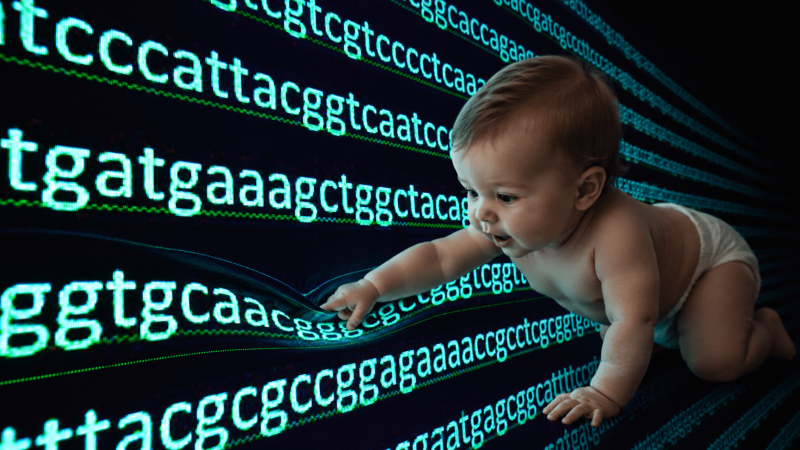

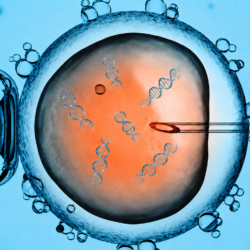
It may be possible to make a convincing argument that serious heritable diseases linked to a single gene should be edited out of human embryos. But once the world has agreed on using genetic engineering to combat disease, where do we draw a line? …
“Part of Origin Genomics’ statement on ethics is to focus only on diseases. The idea is to focus on diseases that are well characterised, that are severe and cause suffering,” [Origin Genomics founder Cathy] Tie says.
But when I ask whether she will always be opposed to gene editing for enhancement, she pauses. “Right now, the technology is not ready for that. …”
If and when it does become possible, would she want to do it?
“As of right now, I have a very strong gut reaction that I don’t want to go into that. But society is complex ….”
The night before Tie takes to the stage at Carnegie Hall, she is on another stage, on Manhattan’s Upper East Side, in a livestreamed public debate with the Harvard lawyer and bioethicist Prof I Glenn Cohen, organised by the Hastings Center for Bioethics. …




“We talk often about the danger of moving too fast. I want to name the danger of moving too slow, and the fantasy of waiting for global consensus, which will not arrive,” Tie says in her opening remarks.
…
By the end of the debate, there seems to be a clear agreement that gene editing for some diseases should be allowed. Even Cohen agrees, in cases where no other option – gene therapy or embryo selection – is possible.
And suddenly, it does feel inevitable to me that this is going to happen. It has already happened. Whether Tie will be the person to get regulations changed to allow it to happen legally is another matter. But there are enough people prepared to put money, time and effort into this technology – and enough demand for it – that it feels like a question of when, not if.






















